


Solar panel efficiency is one of the most important factors to consider when investing in renewable energy for your home or business. Whether you’re a homeowner in Gujarat looking to reduce electricity bills or an industrial facility seeking to lower operational costs, understanding solar efficiency helps you make informed decisions about your solar installation. In this comprehensive guide, we answer 15 of the most common questions about solar panel efficiency in 2026, helping you maximize the performance and return on investment from your solar energy system.
With Gujarat’s abundant sunshine and supportive government policies, solar energy has become an increasingly attractive option for residential, commercial, and industrial applications. However, not all solar panels perform equally, and understanding the nuances of solar efficiency can mean the difference between a good investment and a great one.
Understanding Solar Panel Efficiency in 2026
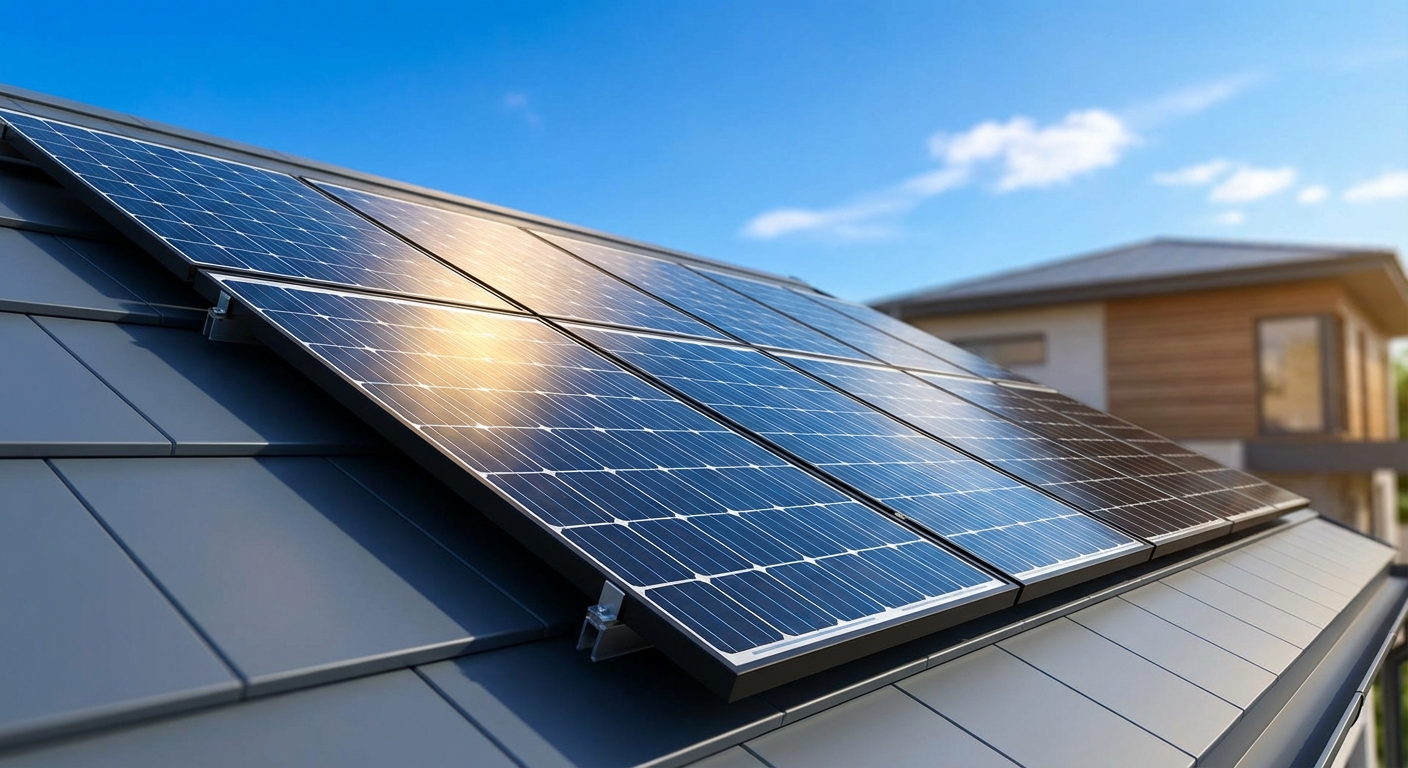
Solar panel efficiency refers to the percentage of sunlight that hits a solar panel and gets converted into usable electricity. This metric has improved dramatically over the past decade, with modern panels achieving efficiency rates that were once thought impossible. For property owners in Gujarat, where solar irradiance levels are excellent throughout most of the year, understanding efficiency helps you determine how much roof space you’ll need and what kind of energy output you can expect.
The solar industry has made remarkable progress in recent years. What was considered cutting-edge efficiency in 2020 is now standard for mid-range panels in 2026. This evolution means that today’s solar installations generate more power from the same amount of space, making solar energy viable even for properties with limited roof area.
As you explore solar options for your property, you’ll encounter various efficiency ratings, panel types, and performance claims. This guide cuts through the technical jargon to provide clear, actionable answers to the questions that matter most for your solar investment.
1. What Is Solar Panel Efficiency and How Is It Measured?
Solar panel efficiency is the ratio of electrical power output to the solar energy input received by the panel. In simpler terms, it measures how well a solar panel converts sunlight into electricity. If a panel has 20% efficiency, it means that 20% of the sunlight hitting the panel gets converted to electrical energy, while the remaining 80% is reflected or converted to heat.
Manufacturers measure solar efficiency under Standard Test Conditions (STC), which include specific parameters: 1,000 watts per square meter of solar irradiance, a cell temperature of 25°C (77°F), and an air mass of 1.5. These standardized conditions allow for fair comparisons between different panel models and manufacturers.
The testing process involves exposing solar cells to controlled light sources in laboratory settings. Engineers measure the maximum power output and divide it by the panel’s surface area and the incident light power. This calculation yields the efficiency percentage that appears on specification sheets.
It’s important to understand that real-world performance often differs from laboratory ratings. Factors like temperature, shading, dust accumulation, and installation angle all affect actual efficiency. However, STC ratings provide a reliable baseline for comparing different solar panel options when planning your installation.
2. What Are Typical Solar Efficiency Rates in 2026?
In 2026, solar panel efficiency varies significantly based on the technology and quality of the panels. Monocrystalline panels, which are the most common choice for residential and commercial installations, typically range from 19% to 23% efficiency for standard models. Premium monocrystalline panels from leading manufacturers can achieve efficiencies of 23% to 25%, with some specialized models reaching even higher.
Polycrystalline panels, which were once the budget-friendly standard, now typically offer 16% to 19% efficiency. While these panels cost less, their lower efficiency means you’ll need more roof space to generate the same amount of power. For this reason, polycrystalline panels have become less popular in 2026, especially for space-constrained installations.
Thin-film solar panels generally have lower efficiency rates, ranging from 11% to 15%. However, they offer advantages in specific applications, such as flexibility, lighter weight, and better performance in high-temperature conditions. These panels are less common for typical rooftop installations in Gujarat but may be suitable for certain commercial or industrial applications.
Emerging technologies like perovskite solar cells and tandem cells are showing promise in laboratory settings, with some achieving efficiencies above 30%. While these technologies are not yet widely available for commercial installations in 2026, they represent the future direction of solar efficiency improvements.
3. Does Higher Efficiency Always Mean Better Value?
Higher solar efficiency doesn’t automatically translate to better value for every situation. The relationship between efficiency and value depends on several factors specific to your property and energy needs. While high-efficiency panels generate more power per square meter, they also come with a higher price tag.
For properties with limited roof space, high-efficiency panels often provide the best value. If you can only install a certain number of panels due to space constraints, choosing panels with 22% efficiency over 18% efficiency can significantly increase your total energy production. This extra production can justify the higher upfront cost through greater long-term savings.
However, if you have ample roof space, installing more standard-efficiency panels may be more cost-effective than fewer high-efficiency panels. The total system cost per watt of capacity often favors this approach, especially when installation costs remain relatively constant regardless of panel efficiency.
Consider this example: A 5 kW system using high-efficiency panels might cost ₹2,75,000, while the same capacity using standard-efficiency panels might cost ₹2,25,000. If both systems generate similar total energy over their lifetime (because you have space for more standard panels), the lower-cost option provides better value. Working with experienced solar EPC providers helps you analyze these trade-offs for your specific situation.
4. What Factors Affect Solar Panel Performance in Gujarat?
Gujarat’s climate and environmental conditions significantly impact solar panel performance. Understanding these factors helps you set realistic expectations and take steps to maximize your system’s efficiency throughout the year.
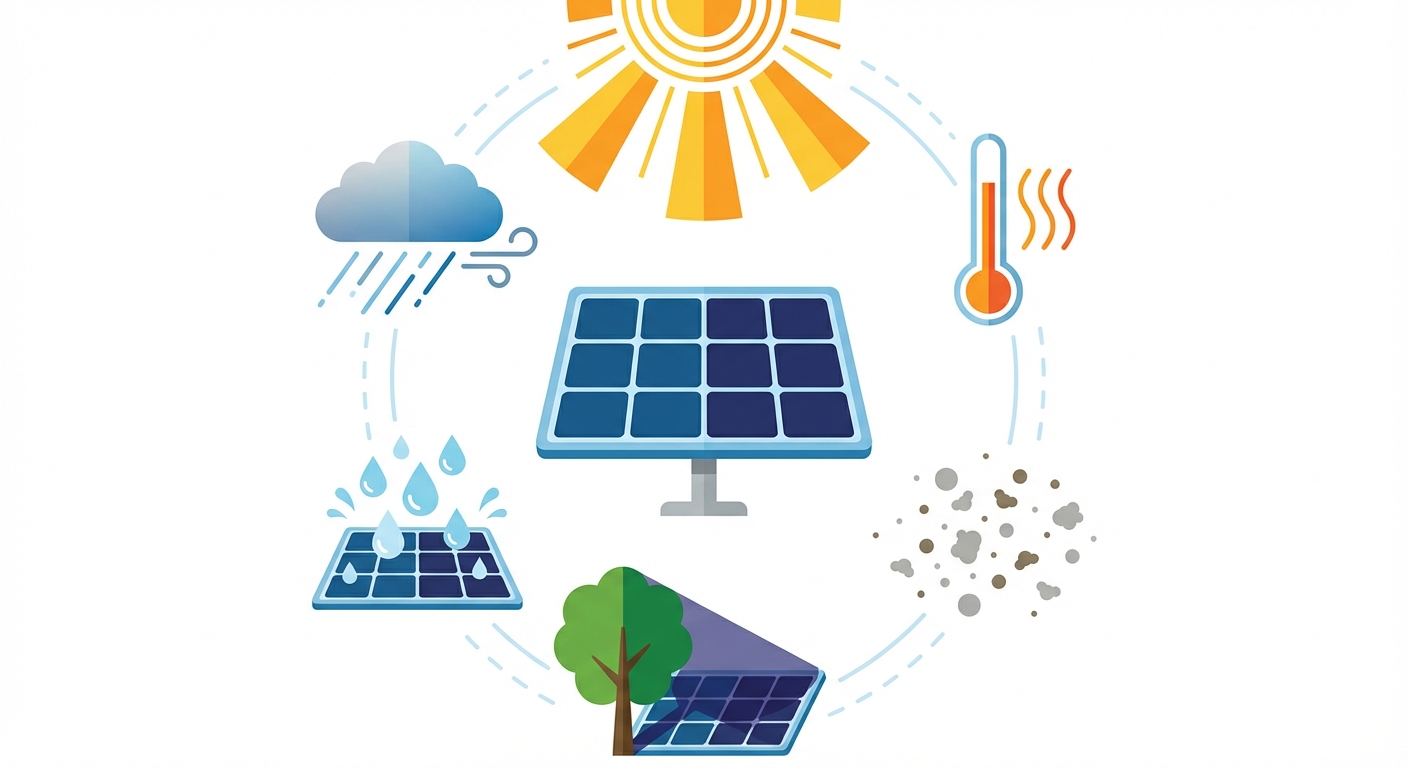
Temperature is one of the most significant factors affecting solar efficiency in Gujarat. While solar panels need sunlight to generate electricity, they actually perform less efficiently as they get hotter. During Gujarat’s summer months, when temperatures regularly exceed 40°C, panels can lose 10-15% of their rated efficiency compared to the standard test temperature of 25°C.
Dust and air pollution present particular challenges in Gujarat, especially in industrial areas like Surat, Ahmedabad, and Vadodara. A layer of dust on solar panels can reduce efficiency by 15-25% or more, depending on the thickness of accumulation. Regular cleaning is essential to maintain optimal performance, particularly during dry seasons when dust accumulation accelerates.
Shading from nearby buildings, trees, or other structures can dramatically reduce solar panel output. Even partial shading on a small portion of a panel can affect the entire string of panels in traditional systems. This makes proper site assessment crucial before installation.
Humidity and monsoon conditions also play a role. While rain helps clean panels naturally, extended cloudy periods during monsoon season reduce solar irradiance and overall energy production. However, panels still generate electricity on cloudy days, just at reduced capacity.
The orientation and tilt angle of your panels affect how much sunlight they receive throughout the day and across seasons. In Gujarat, south-facing panels with an optimal tilt angle of approximately 20-23 degrees typically provide the best year-round performance.
5. How Does Temperature Impact Solar Efficiency?
The relationship between temperature and solar efficiency is counterintuitive for many people. While solar panels need sunlight to generate electricity, excessive heat actually reduces their efficiency. This phenomenon is particularly relevant in Gujarat, where summer temperatures can be extreme.
Every solar panel has a temperature coefficient, typically expressed as a percentage per degree Celsius. This coefficient indicates how much the panel’s power output decreases as temperature rises above 25°C. For most modern panels, the temperature coefficient ranges from -0.30% to -0.45% per degree Celsius.
Here’s what this means in practical terms: If a panel has a temperature coefficient of -0.40%/°C and operates at 65°C on a hot Gujarat summer day, it’s 40 degrees above the standard test temperature. This results in a 16% reduction in power output (40 × 0.40%) compared to its rated capacity. This doesn’t mean the panel is defective; it’s simply the physics of how photovoltaic cells operate.
Premium panels often have better (lower) temperature coefficients, meaning they lose less efficiency in hot conditions. This characteristic can be particularly valuable in Gujarat’s climate. When comparing panels, look for temperature coefficients closer to -0.30%/°C rather than -0.45%/°C.
Proper installation techniques can help mitigate temperature effects. Mounting panels with adequate air circulation underneath allows heat to dissipate more effectively. Ground-mounted systems and installations with raised mounting structures typically run cooler than flush-mounted rooftop installations.
6. What Is the Difference Between Efficiency and Degradation?
While solar efficiency refers to how well panels convert sunlight to electricity at a given moment, degradation describes how panel performance declines over time. These are two distinct but related concepts that both affect your solar investment’s long-term value.
All solar panels experience gradual degradation due to exposure to UV radiation, temperature cycling, humidity, and other environmental stresses. Modern panels typically degrade at a rate of 0.3% to 0.8% per year. This means that after 25 years, a quality panel might still operate at 80-85% of its original capacity.
Premium manufacturers often guarantee that their panels will maintain at least 80-85% of their original efficiency after 25 years. Some high-end panels come with warranties guaranteeing 90% efficiency after 25 years, reflecting their superior build quality and materials.
The degradation rate is particularly important when calculating long-term energy production and payback periods. A panel with 22% initial efficiency but 0.7% annual degradation might produce less total energy over 25 years than a panel with 20% initial efficiency and 0.4% annual degradation.
Factors that accelerate degradation include extreme temperature fluctuations, high humidity, salt air exposure (relevant for coastal areas of Gujarat), and poor-quality manufacturing. Choosing panels from reputable manufacturers and ensuring proper installation helps minimize degradation rates.
7. How Can I Maximize Solar Efficiency for My Installation?
Maximizing solar efficiency requires attention to multiple factors, from initial system design through ongoing maintenance. Here are the most effective strategies to ensure your solar installation performs at its best.
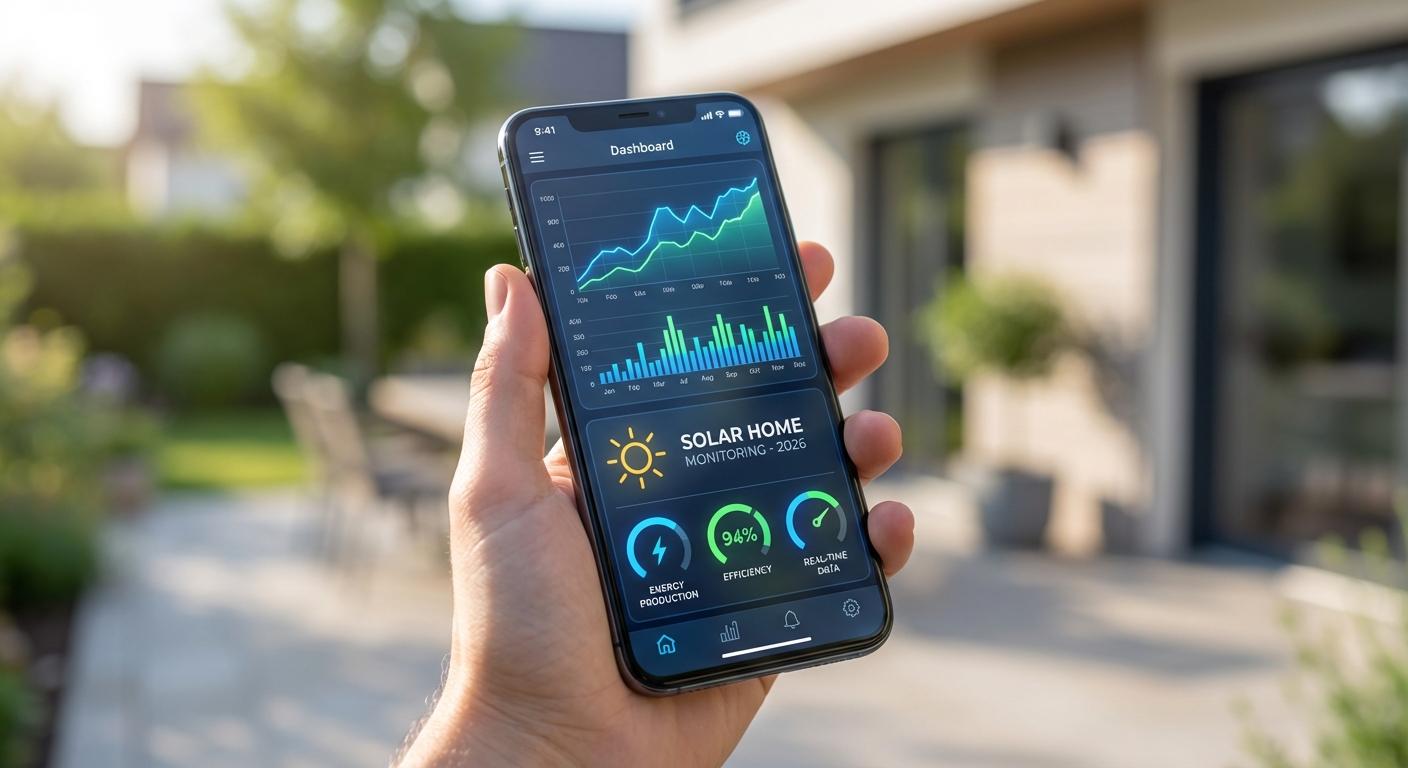
Optimal orientation and tilt: In Gujarat, panels should generally face south (or slightly southeast/southwest) to capture maximum sunlight throughout the day. The tilt angle should be approximately equal to your latitude (around 20-23 degrees for most of Gujarat) for year-round optimization. Some installations use adjustable mounting systems to change tilt seasonally, though this adds complexity and cost.
Regular cleaning: Establishing a cleaning schedule is crucial in Gujarat’s dusty environment. During dry seasons, monthly cleaning may be necessary, while quarterly cleaning might suffice during other periods. Use soft brushes or squeegees with clean water; avoid abrasive materials that could scratch the panel surface. Many commercial installations invest in automated cleaning systems or professional solar maintenance services.
Inverter selection: Your inverter’s efficiency directly impacts overall system performance. Modern string inverters typically operate at 96-98% efficiency, while microinverters and power optimizers offer 95-97% efficiency but provide advantages in shaded conditions. Ensure your inverter is properly sized for your panel array and consider models with higher efficiency ratings.
Minimize shading: Even small amounts of shade can significantly reduce output. Trim trees that cast shadows on panels, and consider the path of shadows throughout the day and across seasons during system design. If shading is unavoidable, microinverters or power optimizers can minimize the impact by allowing each panel to operate independently.
Proper ventilation: Ensure adequate airflow beneath panels to reduce operating temperature. Mounting panels at least 6-8 inches above the roof surface allows air circulation and helps keep panels cooler, improving efficiency.
Quality components: Using high-quality panels, inverters, mounting structures, and wiring reduces energy losses throughout the system. While premium components cost more initially, they typically provide better long-term performance and reliability.
8. Does Solar Efficiency Vary by Panel Type?
Different solar panel technologies offer varying efficiency levels, each with distinct advantages and ideal applications. Understanding these differences helps you choose the right panel type for your specific needs and budget.
Monocrystalline panels are the efficiency leaders in 2026, typically ranging from 19% to 25%. These panels use silicon wafers cut from a single crystal, giving them their characteristic uniform dark appearance. Their high efficiency makes them ideal for space-constrained installations. They also tend to have better temperature coefficients and longer lifespans than other types. Most residential and commercial installations in Gujarat use monocrystalline panels due to their optimal balance of efficiency, cost, and reliability.
Polycrystalline panels offer 16% to 19% efficiency and are manufactured from multiple silicon crystals melted together. They have a distinctive blue, speckled appearance. While less efficient than monocrystalline panels, they cost slightly less per panel. However, the efficiency gap has narrowed in recent years, and the cost difference has diminished, making polycrystalline panels less popular for new installations in 2026.
Thin-film panels include several technologies (amorphous silicon, CdTe, CIGS) with efficiencies ranging from 11% to 15%. While less efficient, they offer advantages in specific scenarios: they’re lighter, flexible, and perform better in high temperatures and low-light conditions. They’re sometimes used for large commercial roofs where weight is a concern or for building-integrated photovoltaic applications.
Bifacial panels represent an advanced variation of monocrystalline technology. These panels can capture sunlight from both the front and rear surfaces, potentially increasing total energy generation by 10-30% depending on installation conditions. They’re particularly effective in ground-mounted installations with reflective surfaces beneath them.
When selecting panel types, consider not just efficiency but also your specific installation conditions, budget, and long-term goals. Consulting with experienced solar professionals helps identify the best technology for your situation.
9. How Does Shading Affect Solar Panel Efficiency?
Shading is one of the most detrimental factors affecting solar panel performance. Understanding how shading impacts your system helps you avoid significant energy losses and make informed decisions about system design and component selection.
In traditional string inverter systems, solar panels are connected in series, like lights on a Christmas tree. When one panel is shaded, it affects the entire string’s performance. Even if just one panel in a string of ten is 50% shaded, the entire string’s output can drop by 50% or more. This happens because the shaded panel acts as a resistor, limiting current flow through the entire string.
Modern panels include bypass diodes that help mitigate shading losses. These diodes allow current to bypass shaded cells within a panel, limiting the impact to just the affected portion rather than the entire panel. Most panels have three bypass diodes, dividing the panel into three sections. If one section is shaded, the other two can still produce power.
Microinverters and power optimizers provide superior solutions for shaded conditions. These technologies allow each panel to operate independently, so shading on one panel doesn’t affect others. While they add cost to the system, they can significantly improve energy production in partially shaded installations, often paying for themselves through increased output.
During site assessment, professional installers should analyze shading patterns throughout the day and across seasons. Tools like solar pathfinders and software simulations help predict shading impacts. In some cases, adjusting panel placement by just a few feet can avoid significant shading issues.
If your property has unavoidable shading from trees, buildings, or other structures, discuss this with your installer early in the planning process. They can recommend appropriate system designs and technologies to minimize shading losses.
10. What Role Does the Inverter Play in System Efficiency?
While solar panels receive most of the attention in efficiency discussions, the inverter plays a crucial role in overall system performance. The inverter converts the direct current (DC) electricity generated by panels into alternating current (AC) electricity used by your home or business and the grid.
Inverter efficiency typically ranges from 95% to 98% for modern units. This means that 2-5% of the energy generated by your panels is lost during the conversion process. While this might seem small, it represents a significant amount of energy over the system’s lifetime. A 5 kW system with a 96% efficient inverter loses about 200 watts of power during operation compared to a theoretical 100% efficient inverter.
String inverters are the most common and cost-effective option. They connect multiple panels in series (strings) and convert all their combined DC output to AC. Modern string inverters achieve 96-98% efficiency and work well for installations without shading issues. They’re typically the most economical choice for straightforward installations.
Microinverters attach to each individual panel, converting DC to AC at the panel level. They offer 95-97% efficiency and provide significant advantages in shaded conditions or complex roof layouts. They also allow for easier system expansion and provide panel-level monitoring. However, they cost more than string inverters and have more components that could potentially fail.
Power optimizers represent a middle ground. They attach to each panel to optimize DC output, which is then sent to a central inverter for AC conversion. This hybrid approach offers many benefits of microinverters while maintaining some cost advantages of string inverters.
Beyond efficiency ratings, consider the inverter’s maximum power point tracking (MPPT) capability. MPPT technology ensures panels operate at their optimal voltage and current levels throughout varying conditions. String inverters typically have 1-2 MPPT channels, while microinverters provide MPPT for each panel.
Proper inverter sizing is also critical. The inverter should be sized appropriately for your panel array, typically at 80-110% of the total panel capacity. Undersized inverters can limit system output, while oversized inverters may operate inefficiently at low power levels.
11. How Does Dust and Pollution Impact Solar Efficiency in Gujarat?
Dust and air pollution present significant challenges for solar installations in Gujarat, particularly in industrial cities like Surat, Ahmedabad, Vadodara, and Rajkot. Understanding these impacts and implementing appropriate maintenance strategies is essential for maintaining optimal solar efficiency.
Research shows that dust accumulation can reduce solar panel output by 15-25% or more in dry, dusty environments. In Gujarat’s industrial areas, where air pollution combines with dust, the impact can be even more severe. The fine particles settle on panel surfaces, blocking sunlight from reaching the photovoltaic cells beneath.
The rate of dust accumulation varies by location and season. During dry summer months and pre-monsoon periods, dust accumulation accelerates. Coastal areas of Gujarat experience additional challenges from salt deposits, which can be particularly stubborn to remove and may cause long-term degradation if not addressed.
Industrial facilities often face higher soiling rates due to emissions and particulate matter in the air. A textile factory or chemical plant in Surat might experience 20-30% efficiency losses within just a few weeks without cleaning, while a residential installation in a less polluted area might maintain better performance for months.
Cleaning frequency recommendations for Gujarat installations:
- Industrial areas: Monthly cleaning during dry seasons, bi-monthly during other periods
- Urban residential areas: Bi-monthly to quarterly cleaning depending on local conditions
- Rural areas: Quarterly cleaning, with additional cleaning after major dust storms
- Coastal areas: Monthly cleaning to address salt accumulation
Professional cleaning services use deionized water and soft brushes to avoid scratching panels. Some large commercial installations invest in automated cleaning systems, including robotic cleaners or water spray systems, which can be cost-effective for systems above 100 kW capacity.
Self-cleaning technologies are emerging in 2026, including hydrophobic coatings that help water sheet off panels more effectively, carrying dust with it. While these coatings don’t eliminate the need for cleaning, they can extend intervals between cleanings and improve the effectiveness of rain in naturally cleaning panels.
12. Can I Monitor My Solar Panel Efficiency?
Modern solar installations include monitoring capabilities that allow you to track your system’s performance in real-time, helping you identify issues quickly and ensure your panels maintain optimal solar efficiency throughout their lifetime.
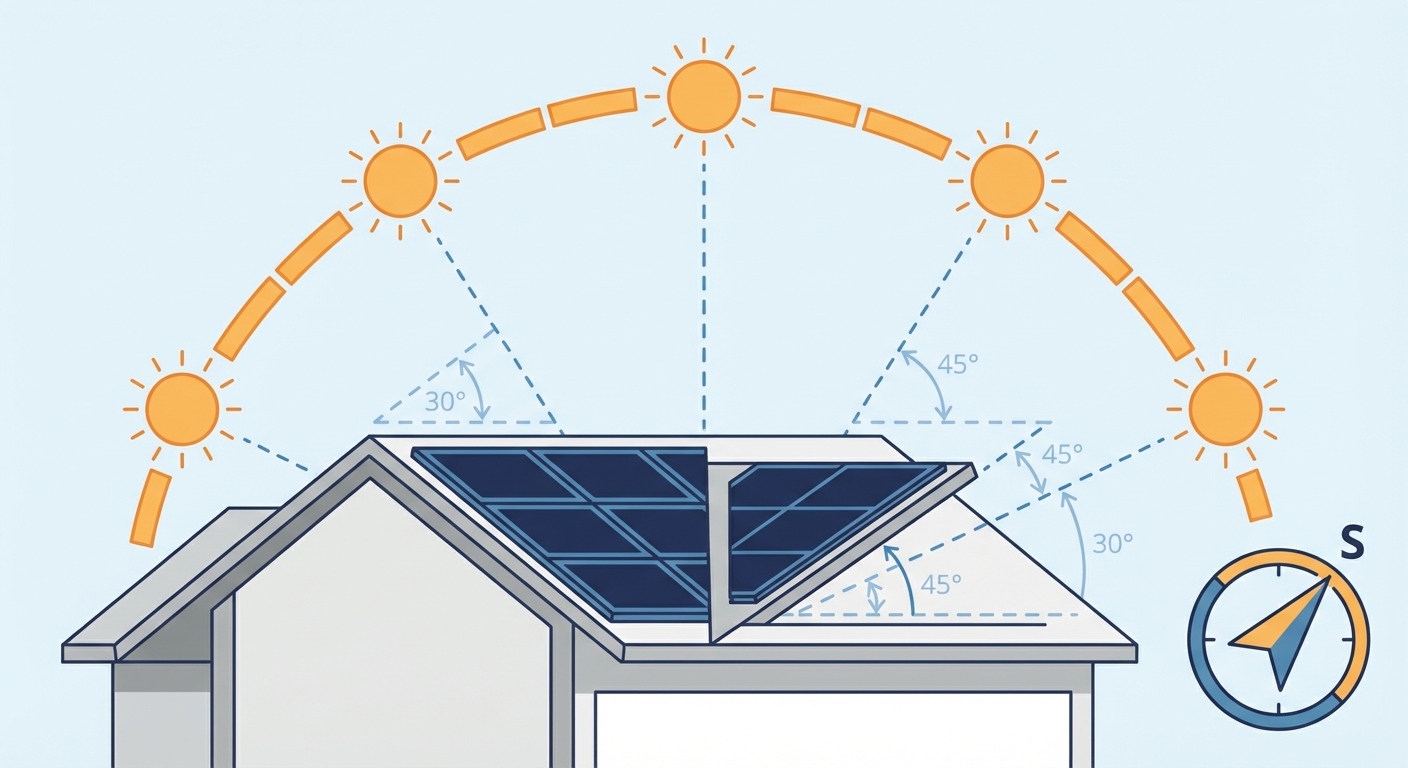
Most solar inverters come with built-in monitoring systems that connect to your home Wi-Fi or cellular network. These systems provide data through smartphone apps or web portals, allowing you to check your system’s performance from anywhere. Basic monitoring shows current power production, daily energy generation, and cumulative production over time.
Key metrics to monitor include:
- Current power output: Real-time generation in kilowatts (kW)
- Daily energy production: Total kilowatt-hours (kWh) generated each day
- System efficiency: Actual production compared to expected production based on weather conditions
- Performance ratio: Actual output divided by theoretical maximum output, accounting for temperature and irradiance
- Individual panel performance: Available with microinverters or power optimizers, showing which panels may be underperforming
Advanced monitoring systems integrate weather data to provide expected vs. actual performance comparisons. If your system produces significantly less than expected on a clear day, it may indicate issues like dust accumulation, shading, or equipment problems.
Many monitoring platforms send automatic alerts when production drops below expected levels or when equipment faults occur. This proactive notification allows you to address issues quickly, minimizing energy losses.
For commercial and industrial installations, monitoring systems often integrate with building management systems, providing comprehensive energy data that helps optimize overall facility operations. Some systems even predict maintenance needs based on performance trends.
When reviewing your monitoring data, compare production across similar weather conditions rather than day-to-day. A cloudy day will naturally show lower production than a sunny day. Look for trends over weeks and months, and compare current performance to historical data from the same season in previous years.
If you notice persistent underperformance, contact your installer or maintenance provider. Common issues include dirty panels, inverter problems, loose connections, or shading from new obstructions. Regular monitoring helps catch these issues early, before they significantly impact your energy production and savings.
13. How Does Solar Efficiency Affect My ROI and Payback Period?
Solar efficiency directly impacts your return on investment and payback period, though the relationship is more nuanced than simply “higher efficiency equals better ROI.” Understanding this connection helps you make financially sound decisions about your solar investment.
Higher solar efficiency means more energy production from the same roof area. For a typical residential installation in Gujarat, upgrading from 18% efficient panels to 22% efficient panels might increase total system output by 20-25%. This additional energy production translates directly to greater electricity bill savings over the system’s lifetime.
However, high-efficiency panels cost more upfront. The key question is whether the additional energy production justifies the higher initial investment. This calculation depends on several factors:
Electricity rates: Higher electricity costs make the additional production from efficient panels more valuable. With Gujarat’s electricity rates ranging from ₹4-8 per kWh depending on consumption slabs and consumer category, the savings from increased production can be substantial.
Available space: If roof space is limited and you need maximum production from a constrained area, high-efficiency panels often provide better ROI despite higher costs. Conversely, if you have ample space, installing more standard-efficiency panels may be more cost-effective.
System size and subsidies: For residential systems eligible for government subsidies under schemes like PM-KUSUM or state programs, the subsidy typically applies to system capacity (kW) rather than panel efficiency. This can affect the relative economics of different efficiency levels.
A typical example for a Gujarat homeowner: A 5 kW system using standard 19% efficient panels might cost ₹2,25,000 after subsidies and generate approximately 7,500 kWh annually. The same capacity using 22% efficient panels might cost ₹2,60,000 but generate 7,800 kWh annually. The additional 300 kWh per year, valued at approximately ₹1,800 (at ₹6/kWh), would take about 19 years to recover the ₹35,000 additional investment—longer than ideal for most homeowners.
However, if space constraints mean you can only install 4 kW with standard panels but 5 kW with high-efficiency panels, the calculation changes dramatically. The 25% increase in capacity and production could reduce your payback period by 2-3 years, making high-efficiency panels the clear winner.
For commercial and industrial installations, where electricity rates are often higher and consumption is greater, the economics of high-efficiency panels become more favorable. The additional production has greater value, and the percentage cost difference between panel types represents a smaller portion of the total project cost.
14. What Are Bifacial Panels and How Efficient Are They?
Bifacial solar panels represent an innovative advancement in solar technology that’s gaining popularity in 2026, particularly for commercial and ground-mounted installations. Understanding how these panels work and their efficiency characteristics helps you determine if they’re right for your project.
Bifacial panels can capture sunlight from both their front and rear surfaces. The front side works like traditional panels, converting direct sunlight into electricity. The rear side captures reflected light from the ground or nearby surfaces, as well as diffuse light from the sky. This dual-sided generation can increase total energy output by 10-30% compared to monofacial panels of similar front-side efficiency.
The rear-side efficiency of bifacial panels typically ranges from 65% to 95% of the front-side efficiency. A panel with 21% front-side efficiency and 80% bifaciality would have approximately 16.8% rear-side efficiency. The total energy gain depends heavily on installation conditions.
Factors affecting bifacial performance:
- Ground albedo (reflectivity): Light-colored surfaces like white gravel, concrete, or sand reflect more light to the panel’s rear side. Dark surfaces like asphalt or soil provide less benefit. Gujarat’s lighter-colored soils in many areas can provide good albedo for bifacial installations.
- Installation height: Panels mounted higher above the ground allow more reflected light to reach the rear surface. Ground-mounted systems typically provide better bifacial gains than rooftop installations.
- Tilt angle: Lower tilt angles (10-20 degrees) often optimize bifacial performance by allowing more reflected light to reach the rear surface, though this must be balanced with front-side optimization.
- Row spacing: In ground-mounted arrays, wider spacing between rows reduces shading on rear surfaces and increases bifacial gains.
Bifacial panels are particularly well-suited for ground-mounted solar parks, where installation parameters can be optimized for bifacial performance. They’re also effective for elevated commercial rooftop installations with reflective roofing materials. However, they provide minimal benefit for flush-mounted residential rooftop installations where the rear surface has limited exposure to reflected light.
The cost premium for bifacial panels has decreased significantly, now typically 5-15% higher than comparable monofacial panels. For installations where conditions favor bifacial performance, this premium is often justified by the increased energy production.
When considering bifacial panels, work with experienced installers who can model the expected bifacial gain for your specific site conditions. Overestimating bifacial benefits can lead to disappointing ROI, while properly optimized bifacial installations can significantly outperform traditional systems.
15. How Do I Choose the Right Solar Efficiency for My Needs?
Selecting the optimal solar efficiency for your installation requires balancing multiple factors specific to your property, energy needs, and budget. There’s no one-size-fits-all answer, but following a systematic evaluation process helps you make the best decision.
Start with a professional site assessment. Before making any decisions about panel efficiency, have qualified solar professionals evaluate your property. They’ll assess available roof space, shading conditions, structural capacity, electrical infrastructure, and local environmental factors. This assessment provides the foundation for all subsequent decisions.
Calculate your energy needs. Review your electricity bills from the past 12 months to understand your consumption patterns. Determine whether you want to offset 100% of your usage or a smaller percentage. Your energy goals directly influence the system size needed and, consequently, the importance of panel efficiency.
Evaluate space constraints. Measure your available roof area or ground space for solar installation. If space is limited and you need maximum production from a constrained area, high-efficiency panels become more attractive. If you have ample space, standard-efficiency panels may provide better value.
Consider your budget. Determine your available investment for solar installation. High-efficiency panels cost more upfront but generate more power per panel. Calculate whether the additional production justifies the higher cost based on your electricity rates and expected system lifetime.
Factor in local conditions. Gujarat’s hot climate means temperature coefficient becomes important. Panels with better temperature coefficients maintain higher efficiency in extreme heat, which can justify a premium. Similarly, if you’re in a dusty industrial area, the ease of cleaning and durability of panels may outweigh small efficiency differences.
Think long-term. Solar panels last 25-30 years or more. Consider not just current needs but future changes. Will your energy consumption increase? Are you planning property expansions that might limit future solar additions? Higher-efficiency panels provide more flexibility for future needs.
Compare total system costs, not just panel prices. Installation labor, mounting structures, inverters, and other components represent significant portions of total system cost. Sometimes, the incremental cost of upgrading to higher-efficiency panels is relatively small compared to total project cost, making the upgrade worthwhile.
Review warranties and manufacturer reputation. Panel efficiency matters little if the panels fail prematurely. Choose panels from reputable manufacturers with strong warranties (typically 25-year performance warranties and 10-12 year product warranties). Established brands with local service support in India provide better long-term value.
Work with experienced EPC providers. Qualified solar EPC companies bring expertise in system design, component selection, and installation best practices. They can model different scenarios, showing how various efficiency levels affect production, costs, and payback periods for your specific situation.
Maximizing Your Solar Investment with Heaven Green Energy
Understanding solar efficiency is crucial for making informed decisions about your renewable energy investment. As we’ve explored in this comprehensive guide, solar efficiency encompasses much more than just the percentage rating on a specification sheet. It involves understanding how panels perform in real-world conditions, how environmental factors affect output, and how to optimize your system for maximum long-term production.
For homeowners and businesses in Gujarat, solar energy represents an excellent opportunity to reduce electricity costs, increase energy independence, and contribute to environmental sustainability. With the state’s abundant sunshine, supportive policies, and improving technology, 2026 is an ideal time to invest in solar power.
The key takeaways for maximizing solar efficiency include:
- Choose panel efficiency based on your specific space constraints, budget, and energy needs—not just the highest number
- Consider local climate factors like Gujarat’s high temperatures and dust levels when selecting panels and planning maintenance
- Invest in quality components, including panels with good temperature coefficients and efficient inverters
- Ensure proper system design with optimal orientation, tilt, and minimal shading
- Implement regular cleaning and maintenance schedules to maintain peak performance
- Use monitoring systems to track performance and identify issues quickly
- Work with experienced, reputable solar EPC providers who understand local conditions
At Heaven Green Energy, we bring nearly a decade of experience designing and installing solar systems across Gujarat. Our team understands the unique challenges and opportunities of solar installations in Surat, Ahmedabad, Junagadh, and throughout the state. We’ve completed over 10,000 installations, helping homeowners, businesses, and industrial facilities maximize their solar efficiency and achieve excellent returns on investment.
Whether you’re considering a residential rooftop system, a commercial installation, or a large-scale industrial solar project, our comprehensive EPC services ensure your system is designed for optimal efficiency from day one. We handle everything from site assessment and system design through installation, commissioning, and ongoing maintenance support.
Our expertise extends to helping clients navigate government subsidy schemes, selecting the right components for their specific needs, and implementing maintenance programs that keep systems operating at peak solar efficiency throughout their lifetime. We partner with leading solar panel manufacturers to offer a range of efficiency options that balance performance and value.
Ready to maximize your solar efficiency and start saving on electricity costs? Our solar experts are here to answer your questions and provide a customized assessment for your property. Have any questions? Call us at +91 63904 05060 to discuss how we can help you achieve optimal solar efficiency and excellent returns from your solar investment. Let’s work together to design a solar solution that meets your energy needs, fits your budget, and delivers maximum performance for decades to come.
Take the first step toward energy independence and lower electricity bills today. Contact Heaven Green Energy to schedule your free site assessment and discover how the right solar efficiency choices can transform your property’s energy future.
This blog post was written using thestacc.com