


Choosing the right solar panel brand can make the difference between a solar investment that delivers excellent returns for 25 years and one that underperforms or requires costly repairs. In Gujarat, where solar energy adoption is growing rapidly thanks to abundant sunlight and supportive government policies, homeowners and businesses face an overwhelming array of solar brands—from established Indian manufacturers to international giants. With electricity costs rising and solar technology becoming more affordable, understanding which solar brands offer the best combination of quality, performance, and value in Gujarat’s unique climate is essential for making an informed decision.
This comprehensive guide compares the top solar brands available in Gujarat in 2026, analyzing everything from technical specifications and warranty terms to real-world performance in Gujarat’s hot, dusty conditions. Whether you’re a homeowner planning a rooftop solar Gujarat installation or a business evaluating industrial solar Gujarat options, this comparison will help you choose the brand that best fits your needs and budget.
Why Choosing the Right Solar Brand Matters in Gujarat
Gujarat presents unique challenges for solar panel performance that make brand selection particularly important. The state experiences some of India’s highest temperatures, with summer readings regularly exceeding 45°C in many regions. These extreme conditions test solar panel durability and efficiency in ways that moderate climates do not.
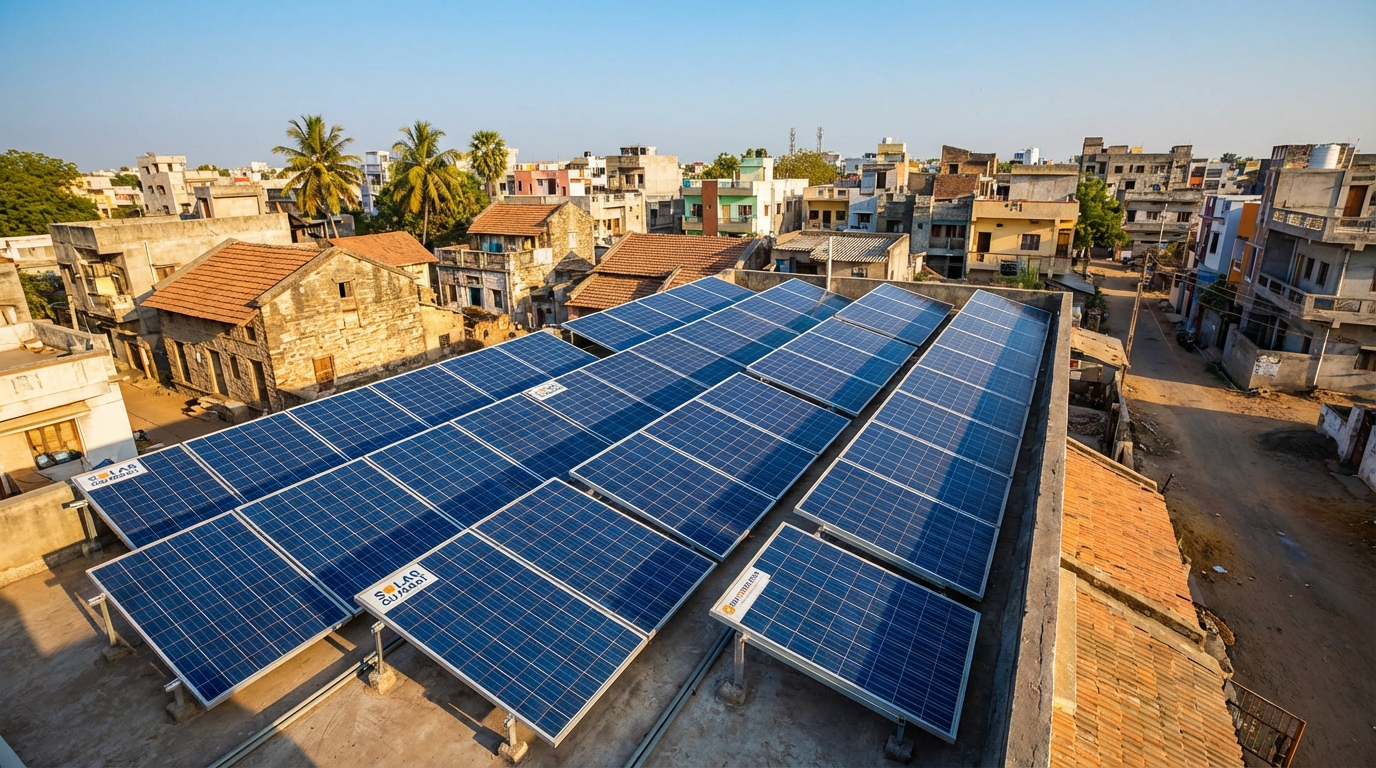
Temperature coefficient becomes a critical specification in Gujarat’s climate. Solar panels lose efficiency as temperatures rise, and different solar brands handle heat differently. A panel with a poor temperature coefficient might lose 15-20% of its rated capacity on hot Gujarat afternoons, while premium brands with better coefficients maintain higher output even in extreme heat.
Dust accumulation is another Gujarat-specific challenge. The state’s arid regions and industrial areas generate significant airborne dust that settles on solar panels, reducing light transmission and power output. Some solar brands incorporate anti-reflective coatings and self-cleaning glass technologies that minimize dust impact, while others require more frequent cleaning to maintain performance.
The monsoon season brings its own concerns. Sudden temperature changes, high humidity, and heavy rainfall test panel sealing and frame durability. Quality solar brands use robust junction boxes, superior edge sealing, and corrosion-resistant frames that withstand Gujarat’s seasonal extremes without degradation.
Beyond climate considerations, your choice of solar brands directly impacts your solar ROI over the system’s 25-year lifespan. A cheaper panel that degrades faster or requires more maintenance may cost more in the long run than a premium brand with better durability. Similarly, warranty terms and the manufacturer’s service network in Gujarat affect your ability to address issues quickly if problems arise.
Local availability and support infrastructure matter significantly. International solar brands may offer cutting-edge technology, but if replacement parts take months to arrive or local technicians lack training on specific models, you could face extended downtime. Established Indian brands often provide better regional support through dealer networks and service centers across Gujarat.
Top Solar Brands Available in Gujarat: Overview
The Gujarat solar market in 2026 offers a diverse range of solar brands spanning different price points, technologies, and value propositions. Understanding the landscape helps narrow your options before diving into detailed comparisons.
Indian Solar Brands Dominating Gujarat Market
Tata Power Solar leads the premium segment with a reputation for quality and comprehensive service. As part of the Tata Group, the brand carries significant trust value among Gujarat customers and maintains strong distribution and service networks across the state.
Waaree Energies, headquartered in Mumbai, has become one of India’s largest solar panel manufacturers and holds substantial market share in Gujarat. The company offers competitive pricing while maintaining reasonable quality standards, making it popular for both residential and commercial projects.
Vikram Solar positions itself in the mid-range segment, balancing quality and affordability. The Kolkata-based manufacturer has gained traction in Gujarat’s commercial and industrial sectors where buyers seek reliable performance without premium pricing.
Adani Solar, part of the Adani Group with deep Gujarat roots, has expanded rapidly in recent years. The brand benefits from local manufacturing and the parent company’s extensive presence in Gujarat’s energy sector.
International Solar Brands in Gujarat
Longi Solar from China has become the world’s largest solar panel manufacturer and offers some of the highest efficiency ratings available. The brand has established distribution channels in Gujarat, though at premium price points.
Jinko Solar, another Chinese manufacturer, provides high-efficiency panels with competitive pricing. The brand has gained acceptance in Gujarat’s utility-scale and large commercial projects.
Canadian Solar brings North American quality standards with manufacturing facilities in Asia. The brand appeals to customers seeking international quality with better pricing than European alternatives.
REC Solar from Singapore (formerly Norwegian) offers premium panels with excellent low-light performance and temperature coefficients, though availability in Gujarat can be limited.
Price Positioning Across Solar Brands
In Gujarat’s 2026 market, solar panel cost varies significantly by brand. Budget Indian brands start around ₹18-22 per watt, mid-range options like Waaree and Vikram range from ₹22-28 per watt, premium Indian brands like Tata command ₹28-35 per watt, and top international brands can reach ₹35-45 per watt for the highest efficiency models.
These prices reflect panel costs alone. Total solar installation Gujarat costs include inverters, mounting structures, wiring, and labor, typically adding ₹15-25 per watt depending on system complexity and installer margins.
1. Tata Power Solar: Premium Indian Solar Brands
Tata Power Solar has established itself as India’s most trusted solar brand, leveraging the Tata Group’s century-old reputation for quality and reliability. For Gujarat customers willing to invest in premium solar brands, Tata offers compelling advantages.
Product Specifications and Technology
Tata Power Solar’s 2026 residential lineup features monocrystalline PERC panels with efficiencies ranging from 20.5% to 22.1%. The flagship models use half-cut cell technology that reduces resistive losses and improves performance in partial shading conditions—relevant for Gujarat’s urban installations where nearby buildings or trees may cast shadows.
The temperature coefficient of -0.36%/°C places Tata panels among the better performers in Gujarat’s heat. This means a 400W panel loses only about 1.44W for every degree above 25°C, maintaining approximately 340-350W output even on 45°C Gujarat afternoons.
Tata panels incorporate anti-PID (Potential Induced Degradation) technology, crucial for Gujarat’s high-temperature environments where PID can significantly reduce panel output over time. The company also uses tempered glass with anti-reflective coating that helps minimize dust adhesion.
Warranty and Service Network
Tata Power Solar provides a 25-year linear performance warranty guaranteeing 80.7% output after 25 years, along with a 12-year product warranty covering manufacturing defects. This dual warranty structure offers better protection than many competitors who provide only 10-year product warranties.
The service network is Tata’s strongest advantage in Gujarat. With offices in Ahmedabad, Surat, Vadodara, and Rajkot, plus an extensive dealer network, customers can access support relatively quickly. The company maintains dedicated service teams and stocks replacement parts locally, minimizing downtime if issues occur.
Performance in Gujarat Climate
Real-world installations across Gujarat show Tata panels maintaining 95-97% of rated capacity after five years, indicating low degradation rates. The robust frame construction and superior edge sealing handle Gujarat’s monsoon humidity well, with minimal reported issues of moisture ingress.
Dust accumulation affects Tata panels similarly to other brands, but the anti-reflective coating does show marginally better self-cleaning during rain compared to budget alternatives. Regular cleaning remains necessary in Gujarat’s dustier regions.
Pricing and Value Proposition
Tata Power Solar panels typically cost ₹30-35 per watt in Gujarat, positioning them at the premium end of Indian solar brands. For a typical 5kW residential system, expect panel costs around ₹1,50,000-1,75,000 before installation.
The premium pricing reflects not just panel quality but also comprehensive service, reliable warranty fulfillment, and brand trust. For customers prioritizing long-term reliability and support over upfront cost savings, Tata represents solid value despite higher initial investment.
Pros and Cons for Gujarat Customers
Advantages: Excellent warranty terms with reliable claim processing, strong service network across Gujarat, proven durability in Indian conditions, good temperature coefficient for hot climates, and brand trust that aids resale value if you sell your property.
Limitations: Premium pricing that may not fit all budgets, efficiency ratings that, while good, don’t match the absolute highest international brands, and longer lead times during peak season due to high demand.
2. Waaree Energies: Value Leader Among Solar Brands
Waaree Energies has grown to become India’s largest solar panel manufacturer by capacity, and the brand has captured significant market share in Gujarat by offering a compelling balance of quality and affordability. For cost-conscious buyers who still want reliable performance, Waaree deserves serious consideration among solar brands.
Manufacturing Capacity and Product Range
With manufacturing capacity exceeding 12 GW annually, Waaree produces panels at scale that allows competitive pricing. The company’s 2026 product lineup includes both polycrystalline and monocrystalline options, giving Gujarat customers flexibility based on budget and space constraints.
The monocrystalline range features efficiencies from 19.5% to 21.5%, slightly below Tata’s top models but sufficient for most applications. Waaree has also introduced bifacial panels that capture reflected light from roof surfaces, potentially increasing output by 5-10% in optimal conditions—an interesting option for Gujarat’s bright, reflective environments.
Technology and Efficiency Specifications
Waaree’s temperature coefficient of -0.39%/°C is slightly higher than premium brands, meaning marginally more efficiency loss in Gujarat’s heat. For a 400W panel, this translates to about 1.56W loss per degree above 25°C—a small but measurable difference over 25 years of operation.
The panels use standard PERC technology with multi-busbar designs that improve current collection and reduce micro-cracking risks during transportation and installation. While not incorporating the most cutting-edge technologies, Waaree’s approach focuses on proven, reliable designs that minimize manufacturing defects.
Warranty Coverage and Service Infrastructure
Waaree provides a 25-year performance warranty with 80.2% guaranteed output after 25 years, and a 10-year product warranty. The performance warranty matches premium brands, though the shorter product warranty means manufacturing defects discovered after year 10 aren’t covered.
Service infrastructure in Gujarat is reasonably strong, with authorized dealers in major cities and a growing service network. Response times are generally good in urban areas like Ahmedabad and Surat, though rural installations may experience longer wait times for service visits compared to Tata’s network.
Cost-Effectiveness for Gujarat Market
Waaree panels typically cost ₹23-27 per watt in Gujarat, offering significant savings compared to premium brands. A 5kW residential system would cost approximately ₹1,15,000-1,35,000 for panels alone—roughly ₹30,000-40,000 less than equivalent Tata systems.
This pricing makes Waaree particularly attractive for larger commercial and industrial solar Gujarat installations where the cost difference scales significantly. A 100kW commercial system could save ₹6-8 lakhs on panel costs by choosing Waaree over premium alternatives.
Strengths and Limitations
Strengths: Excellent price-to-performance ratio, strong manufacturing scale ensuring consistent availability, good warranty terms on performance, wide dealer network in Gujarat, and proven track record with thousands of installations across the state.
Limitations: Slightly higher temperature coefficient affects hot-weather performance, 10-year product warranty shorter than premium brands, quality consistency can vary between production batches, and customer service responsiveness less consistent than top-tier brands.
For Gujarat customers who want reliable solar brands without premium pricing, Waaree represents one of the best value propositions in 2026. The brand works particularly well for budget-conscious residential customers and commercial projects where cost per watt significantly impacts project viability.
3. Vikram Solar: Reliable Mid-Range Solar Brands
Vikram Solar occupies an interesting middle ground among solar brands available in Gujarat—more affordable than Tata but positioned slightly above Waaree in terms of quality focus. The Kolkata-based manufacturer has built a reputation for consistent quality and has become a preferred choice for many solar EPC Gujarat companies.
Product Lineup and Technical Specifications
Vikram Solar’s 2026 residential and commercial range centers on monocrystalline PERC panels with efficiencies between 20% and 21.8%. The company’s Eldora series, featuring half-cut cell technology, offers improved performance in high-temperature conditions relevant to Gujarat installations.
With a temperature coefficient of -0.37%/°C, Vikram panels perform well in Gujarat’s heat—better than Waaree and competitive with Tata. The panels also incorporate multi-busbar technology (up to 9 busbars in premium models) that reduces series resistance and improves reliability by providing redundancy if individual busbars fail.
Quality Certifications and Testing
Vikram Solar maintains strong quality credentials with IEC certifications and has panels tested at international laboratories. The company operates one of India’s few NABL-accredited in-house testing facilities, allowing rigorous quality control throughout production.
For Gujarat customers, this quality focus translates to lower defect rates and more consistent performance across production batches. Independent testing shows Vikram panels meeting or exceeding their rated specifications more consistently than some budget alternatives.
Warranty and Support Infrastructure
Vikram provides a 25-year linear performance warranty guaranteeing 80.68% output after 25 years, along with a 10-year product warranty. The warranty terms are solid, though the product warranty duration falls short of Tata’s 12-year coverage.
Service infrastructure in Gujarat has improved significantly in recent years. Vikram maintains authorized service partners in Ahmedabad, Surat, and Vadodara, with expanding coverage in tier-2 cities. While not matching Tata’s extensive network, support is generally adequate for most Gujarat locations.
Price Positioning in Gujarat
Vikram Solar panels typically cost ₹25-29 per watt in Gujarat, positioning them between Waaree and Tata. A 5kW residential system would cost approximately ₹1,25,000-1,45,000 for panels, a middle-ground option that offers better quality than budget brands without premium pricing.
This pricing makes Vikram particularly attractive for customers who want better quality assurance than budget options provide but find premium brands unnecessarily expensive for their needs.
Best Use Cases for Vikram Panels
Vikram Solar works exceptionally well for commercial solar installations in Gujarat where buyers want reliable performance and good warranty terms without paying premium brand prices. The company’s focus on quality control makes it a lower-risk choice than budget alternatives for larger investments.
For residential customers, Vikram represents a sensible middle path, better temperature performance and quality consistency than Waaree, with significant cost savings compared to Tata. The brand particularly suits customers who prioritize technical specifications and quality certifications over brand name recognition.
Advantages: Good temperature coefficient for Gujarat climate, strong quality control and testing protocols, competitive pricing for the quality level, reliable warranty terms, and growing service network in Gujarat.
Limitations: Brand recognition lower than Tata or Waaree, service network still developing in rural Gujarat, 10-year product warranty shorter than premium alternatives, and availability can be limited during peak installation seasons.
4. International Solar Brands: Longi, Jinko & Canadian Solar
International solar brands bring cutting-edge technology and the highest efficiency ratings to Gujarat’s market, but they also come with premium pricing and potential service challenges. Understanding when these brands make sense requires careful evaluation of your specific needs and priorities.
Longi Solar: Efficiency Leader
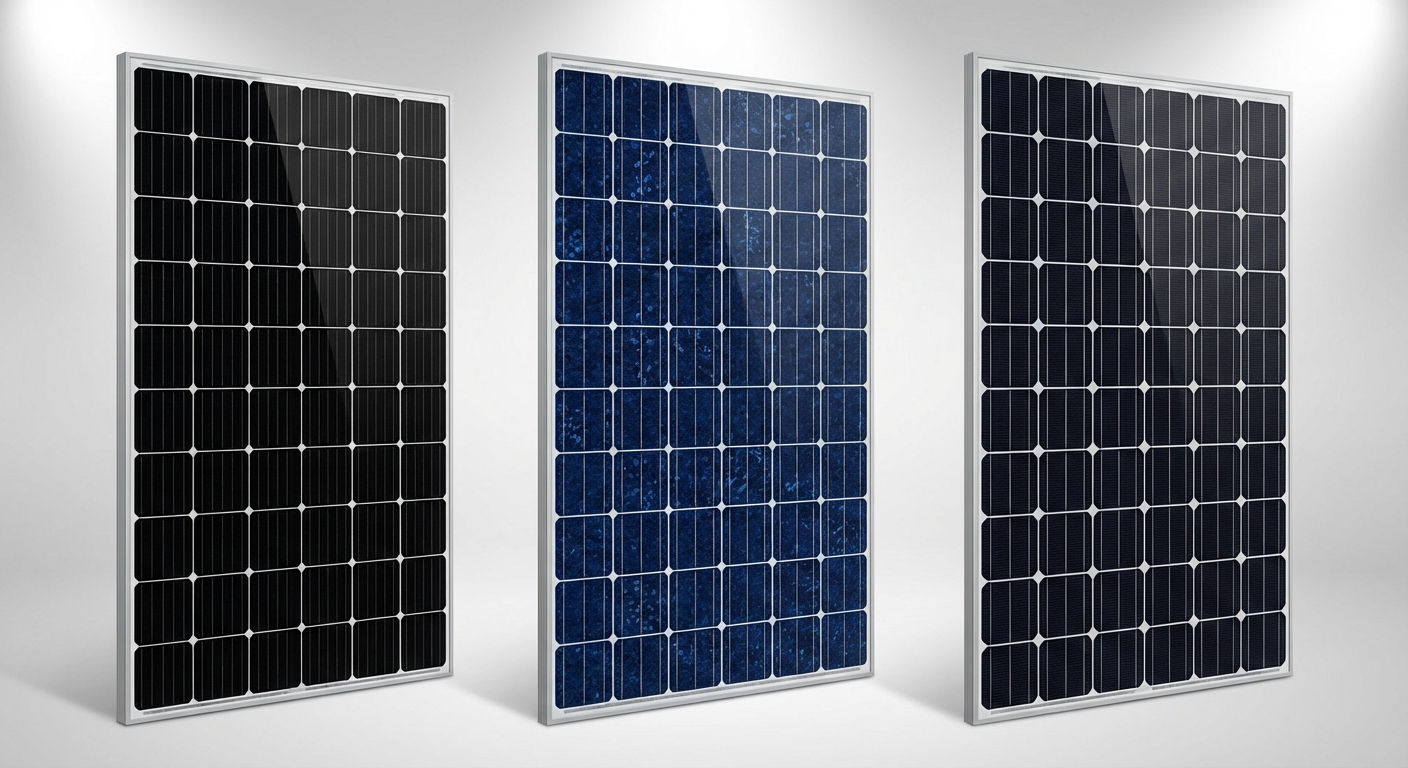
Longi Solar has become the world’s largest solar manufacturer and offers some of the highest efficiency panels available in Gujarat. The company’s 2026 Hi-MO series features efficiencies reaching 22.5-23.2%, significantly higher than most Indian solar brands.
This efficiency advantage matters most when roof space is limited. A 5kW system using Longi’s high-efficiency panels might require 15-20% less roof area than the same capacity using standard panels, valuable for Gujarat’s urban homes with space constraints.
Longi’s temperature coefficient of -0.35%/°C is among the best available, making these panels excellent performers in Gujarat’s heat. The company also offers industry-leading degradation rates, with some models guaranteed to retain 84.8% capacity after 25 years.
However, pricing reflects this premium performance. Longi panels typically cost ₹38-45 per watt in Gujarat, making them 40-50% more expensive than mid-range Indian brands. Service infrastructure is developing but remains limited compared to established Indian manufacturers.
Jinko Solar: High Performance at Competitive Pricing
Jinko Solar offers an interesting value proposition among international solar brands, efficiency ratings of 21-22.5% with pricing more competitive than other international options. Panels typically cost ₹32-38 per watt in Gujarat, overlapping with premium Indian brands.
Jinko’s Tiger series panels use large-format cells and multi-busbar technology that deliver good performance in high-temperature conditions. The temperature coefficient of -0.37%/°C is competitive, and the company’s 25-year warranty guarantees 84.8% output retention.
Distribution in Gujarat has improved significantly, with several authorized dealers now stocking Jinko panels. However, service support still lags behind Indian manufacturers, and replacement parts may require longer lead times.
Canadian Solar: North American Quality Standards
Canadian Solar brings North American engineering and quality standards while manufacturing in Asia to control costs. The brand appeals to Gujarat customers seeking international quality without European premium pricing.
Efficiency ratings range from 20.5% to 22%, with solid temperature coefficients around -0.37%/°C. Canadian Solar’s warranty terms are comprehensive, with 25-year performance guarantees and 12-year product warranties matching premium Indian brands.
Pricing typically falls between ₹35-42 per watt in Gujarat, positioning Canadian Solar as a premium option. Availability can be inconsistent, and service infrastructure is limited primarily to major cities.
When International Solar Brands Make Sense
International brands justify their premium pricing in specific scenarios. If you have limited roof space and need maximum power from minimal area, the higher efficiency of Longi or Jinko panels can make the difference between meeting your energy needs or falling short.
For large commercial or industrial projects where even small efficiency gains translate to significant additional revenue over 25 years, the premium for international brands may deliver positive ROI. A 1% efficiency improvement on a 500kW system generates substantial additional energy over the system’s lifetime.
Customers prioritizing absolute best performance and willing to pay for cutting-edge technology will find international brands offer specifications that Indian manufacturers don’t yet match. However, for most Gujarat residential and small commercial projects, the performance advantage doesn’t justify the significant cost premium.
Service and Warranty Considerations
The primary concern with international solar brands in Gujarat is service infrastructure. While panels themselves are reliable, if issues occur, getting support can be challenging. Authorized service centers are limited, replacement parts may take weeks or months to arrive, and local installers may have less experience troubleshooting specific models.
Warranty claims can also be more complex with international brands. While the warranties themselves are comprehensive, the process of filing claims and getting resolution typically takes longer than with Indian manufacturers who have local operations and decision-making authority.
Solar Brands Performance Comparison for Gujarat Climate
Gujarat’s climate presents specific challenges that affect solar panel performance differently across brands. Understanding these climate-specific factors helps identify which solar brands will deliver the best real-world results in your location.

Temperature Coefficient: Critical for Gujarat Heat
The temperature coefficient measures how much efficiency a panel loses as temperature rises above 25°C. In Gujarat, where panel temperatures regularly reach 65-70°C on summer afternoons, this specification dramatically impacts actual power output.
Among solar brands available in Gujarat, temperature coefficients range from -0.35%/°C (best) to -0.42%/°C (worst). For a 400W panel operating at 65°C (40 degrees above standard test conditions), the difference between best and worst coefficients means approximately 11W difference in output, nearly 3% of rated capacity.
Across a 5kW system operating for 5-6 hours daily at elevated temperatures, this translates to roughly 150-200 kWh less annual generation with poor temperature coefficients compared to the best performers. Over 25 years, that’s 3,750-5,000 kWh of lost production, worth ₹30,000-50,000 at current electricity rates.
Best performers: Longi (-0.35%), Tata Power Solar (-0.36%), Vikram Solar (-0.37%), and Jinko (-0.37%) handle Gujarat’s heat most effectively. Average performers: Waaree (-0.39%) and Canadian Solar (-0.37%) show moderate temperature sensitivity. Budget brands often exceed -0.40%, making them less suitable for Gujarat’s extreme temperatures.
Dust and Humidity Resistance
Gujarat’s arid regions and industrial zones generate significant airborne dust that settles on solar panels, creating a light-blocking layer that reduces output. Different solar brands handle dust accumulation differently based on glass coatings and surface treatments.
Panels with anti-reflective coatings and hydrophobic surface treatments show 5-10% better self-cleaning during monsoon rains compared to standard glass. Tata Power Solar and premium international brands typically incorporate these coatings, while budget options often use standard tempered glass.
In practical terms, panels with better dust resistance require cleaning every 4-6 weeks in dusty Gujarat regions, while standard panels may need cleaning every 2-3 weeks to maintain optimal output. This affects both solar maintenance Gujarat costs and system performance over time.
Humidity resistance matters during Gujarat’s monsoon season when panels experience rapid temperature changes and moisture exposure. Quality solar brands use superior edge sealing and robust junction boxes that prevent moisture ingress. Budget brands sometimes show junction box corrosion or edge seal degradation after 5-7 years in coastal Gujarat locations.
Degradation Rates Over 25 Years
All solar panels degrade over time, but degradation rates vary significantly among solar brands. Premium brands typically degrade 0.3-0.5% annually, while budget options may degrade 0.6-0.8% per year, a difference that compounds substantially over 25 years.
A panel with 0.4% annual degradation retains approximately 90% capacity after 25 years, while one degrading at 0.7% annually retains only 82.5% capacity. For a 5kW system, this 7.5% difference means roughly 375W less capacity after 25 years, equivalent to losing nearly one full panel’s worth of production.
Low degradation brands: Longi (0.35-0.45% annually), Tata Power Solar (0.4-0.5%), and Canadian Solar (0.4-0.5%) show excellent long-term stability. Moderate degradation: Vikram Solar (0.45-0.55%), Jinko (0.45-0.55%), and Waaree (0.5-0.6%) offer reasonable longevity. Budget brands often exceed 0.6% annual degradation, significantly impacting long-term returns.
Real-World Performance Data in Gujarat
Independent monitoring of solar installations across Gujarat provides valuable real-world performance data beyond manufacturer specifications. Systems installed 5-7 years ago offer insights into how different solar brands actually perform in Gujarat conditions.
Tata Power Solar installations show 95-97% of rated capacity after 5 years, indicating low degradation and good quality control. Waaree systems typically show 93-96% capacity retention, while Vikram installations demonstrate 94-96% retention, all within expected ranges.
International brands like Longi and Jinko show excellent capacity retention (96-98% after 5 years) in the limited Gujarat installations old enough for meaningful data. However, sample sizes remain smaller than Indian brands.
Best Brands for Coastal vs Inland Gujarat
Coastal Gujarat (Surat, Valsad, Bhavnagar) faces higher humidity and salt air exposure that accelerates corrosion. Premium solar brands with superior frame coatings and edge sealing perform significantly better in these conditions. Tata Power Solar, Vikram Solar, and international brands show minimal corrosion issues, while budget brands sometimes develop frame corrosion after 5-7 years.
Inland Gujarat (Ahmedabad, Rajkot, Vadodara) experiences more extreme temperatures and dust but less humidity. Here, temperature coefficient and dust resistance matter most. Brands with good temperature performance and anti-reflective coatings deliver the best results.
Arid regions (Kutch, northern Gujarat) face the most extreme dust challenges. Frequent cleaning is necessary regardless of brand, but panels with hydrophobic coatings require less frequent maintenance and show better performance between cleanings.
Warranty Comparison: What Different Solar Brands Offer
Warranty terms vary significantly among solar brands, and understanding what’s actually covered, and how claims are processed, is crucial for protecting your investment. Many Gujarat customers focus solely on warranty duration without examining the fine print that determines whether you’ll actually receive support when needed.
Product Warranty vs Performance Warranty Explained
Solar panels come with two distinct warranties that cover different issues. The product warranty (also called materials or workmanship warranty) covers manufacturing defects, physical damage from defects, and component failures. This warranty typically ranges from 10-12 years among quality solar brands.
The performance warranty (or power output warranty) guarantees minimum power output over time, typically 25 years. This warranty acknowledges that panels naturally degrade but ensures they don’t degrade faster than specified rates. Most brands guarantee 80-85% output after 25 years.
Understanding the distinction matters because different issues fall under different warranties. If a panel stops working due to a junction box failure in year 8, that’s a product warranty claim. If a panel produces only 75% of rated output in year 15 (below the guaranteed threshold), that’s a performance warranty claim.
Standard Warranty Terms by Brand
Tata Power Solar: 12-year product warranty and 25-year linear performance warranty (80.7% after 25 years). The linear warranty means guaranteed output decreases gradually each year rather than in steps, providing better protection.
Waaree Energies: 10-year product warranty and 25-year performance warranty (80.2% after 25 years). The performance warranty uses a tiered structure: 90% for years 1-10, then linear degradation to 80.2% by year 25.
Vikram Solar: 10-year product warranty and 25-year linear performance warranty (80.68% after 25 years). The linear structure provides consistent protection throughout the warranty period.
Longi Solar: 12-year product warranty and 25-year performance warranty (84.8% after 25 years). The higher performance guarantee reflects the company’s confidence in low degradation rates.
Jinko Solar: 12-year product warranty and 25-year performance warranty (84.8% after 25 years). Similar to Longi, the extended product warranty and high performance guarantee indicate quality confidence.
Canadian Solar: 12-year product warranty and 25-year linear performance warranty (83.1% after 25 years). The comprehensive coverage matches premium brand standards.
Service Network and Claim Process in Gujarat
Warranty terms mean little if you can’t actually get claims processed efficiently. The claim process and service network availability in Gujarat vary dramatically among solar brands.
Tata Power Solar maintains the strongest service infrastructure in Gujarat with offices in major cities and a network of authorized service partners. Claim processing typically takes 2-4 weeks from initial report to resolution for straightforward issues. The company stocks common replacement parts locally, minimizing downtime.
Waaree and Vikram have growing service networks in Gujarat but with less comprehensive coverage than Tata. Claim processing takes 3-6 weeks on average, and replacement parts may need to be shipped from manufacturing facilities, adding time. Service responsiveness is generally good in Ahmedabad and Surat but slower in smaller cities.
International brands face the biggest service challenges in Gujarat. While the warranties themselves are comprehensive, processing claims often requires coordination with international offices. Replacement parts typically must be imported, potentially taking 6-12 weeks. Some international brands work through local distributors who handle claims, but the process is generally slower than Indian manufacturers.
What Warranty Really Means for Your Investment
A strong warranty from a reliable manufacturer provides valuable protection for your solar ROI. However, several factors affect whether you’ll actually benefit from warranty coverage.
Manufacturer stability matters enormously. A 25-year warranty is worthless if the company doesn’t exist in 15 years. Established brands like Tata, Waaree, and major international manufacturers have the financial stability to honor long-term commitments. Smaller or newer brands may offer similar warranty terms but carry higher risk of being unable to fulfill them.
Installation quality affects warranty validity. Most warranties require installation by certified professionals following manufacturer guidelines. Improper installation can void warranties, making it essential to work with qualified solar EPC services providers who understand proper installation procedures.
Documentation requirements vary by brand. Some manufacturers require annual maintenance records to maintain warranty validity. Others require specific cleaning procedures or monitoring system installation. Understanding these requirements before purchase prevents warranty issues later.
For Gujarat customers, choosing solar brands with strong local service networks often provides more practical value than slightly better warranty terms from brands with limited local presence. A 10-year warranty you can actually use beats a 12-year warranty that’s difficult to claim.
Price vs Quality: Which Solar Brands Offer Best Value in Gujarat
Determining the best value among solar brands requires looking beyond upfront costs to total cost of ownership over 25 years. The cheapest panels often cost more in the long run through higher degradation, more frequent maintenance, and shorter effective lifespans.
Cost Per Watt Comparison Across Brands
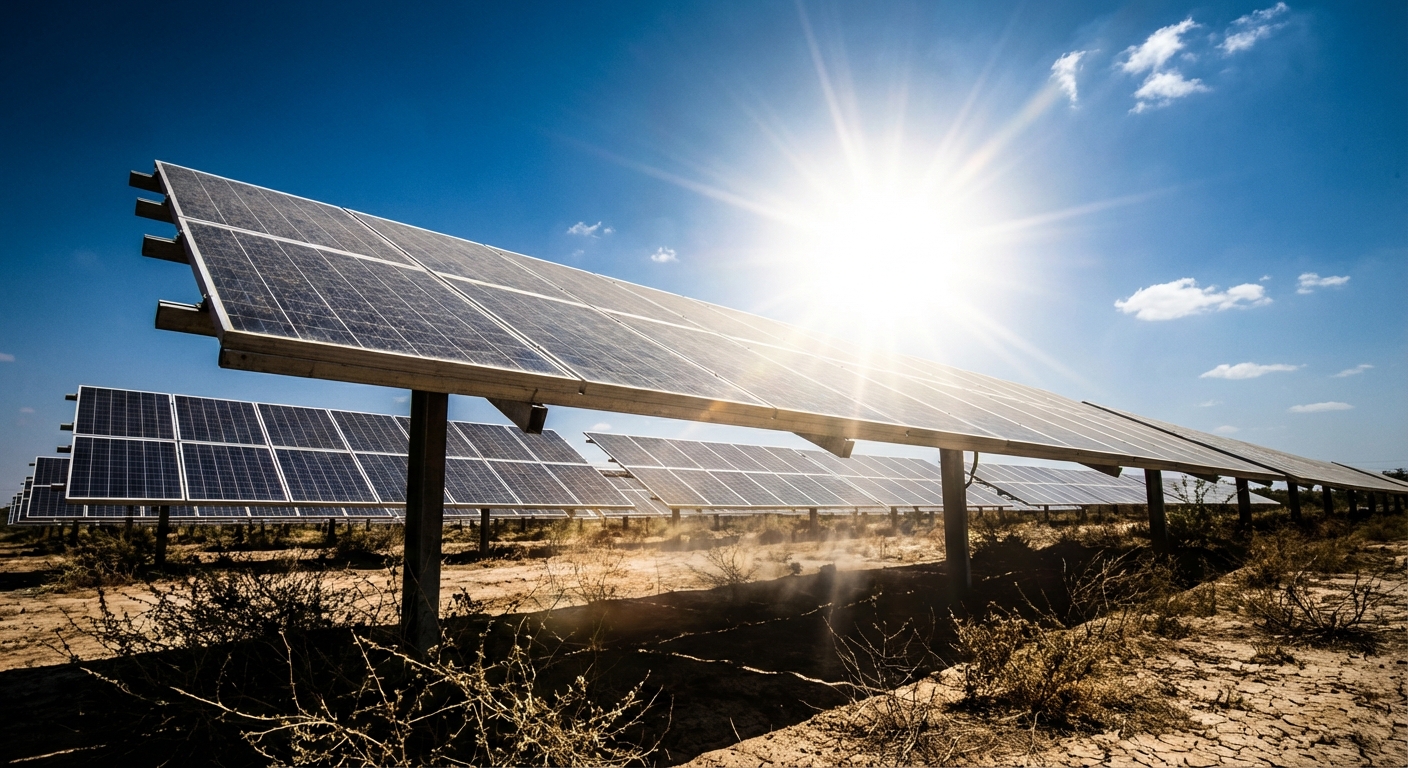
In Gujarat’s 2026 market, solar panel cost per watt varies significantly across brand categories. Budget Indian brands start at ₹18-22 per watt, mid-range options like Waaree and Vikram range from ₹23-29 per watt, premium Indian brands like Tata command ₹30-35 per watt, and top international brands reach ₹35-45 per watt.
For a typical 5kW residential system, this translates to panel costs ranging from ₹90,000 (budget) to ₹2,25,000 (premium international)—a ₹1,35,000 difference. However, focusing solely on this upfront difference ignores the total value equation.
Total Cost of Ownership Over 25 Years
Total cost of ownership includes upfront costs, maintenance expenses, degradation-related energy losses, and potential replacement costs. This comprehensive view often reveals that mid-range and premium solar brands deliver better value than budget options.
Consider a 5kW system comparison over 25 years in Gujarat:
Budget brand scenario: ₹90,000 upfront panel cost, 0.7% annual degradation, ₹15,000 additional maintenance over 25 years due to higher failure rates, and energy loss from faster degradation worth approximately ₹45,000 over 25 years. Total cost of ownership: ₹1,50,000.
Mid-range brand (Waaree/Vikram): ₹1,30,000 upfront panel cost, 0.5% annual degradation, ₹8,000 maintenance costs, and energy loss worth approximately ₹25,000. Total cost of ownership: ₹1,63,000.
Premium brand (Tata): ₹1,65,000 upfront panel cost, 0.4% annual degradation, ₹5,000 maintenance costs, and energy loss worth approximately ₹18,000. Total cost of ownership: ₹1,88,000.
While the premium brand costs ₹38,000 more in total ownership costs than budget options, it generates approximately 8-10% more energy over 25 years due to lower degradation, worth ₹60,000-80,000 in electricity savings. The net result is that premium brands often deliver better financial returns despite higher upfront costs.
ROI Analysis by Brand Category
Return on investment varies by brand based on upfront costs, energy production, and system longevity. For Gujarat installations with good sun exposure and proper maintenance, typical solar payback periods are:
Budget brands: 5-6 year payback period initially, but faster degradation means reduced savings in years 15-25. Total 25-year returns typically 3.5-4x initial investment.
Mid-range brands: 5.5-6.5 year payback period with more consistent long-term performance. Total 25-year returns typically 4-4.5x initial investment.
Premium brands: 6-7 year payback period but superior long-term performance. Total 25-year returns typically 4.5-5x initial investment.
Premium international brands: 7-8 year payback period due to high upfront costs. Total 25-year returns typically 4-4.5x initial investment, good but not necessarily better than premium Indian brands due to the significant cost premium.
These calculations assume Gujarat’s average electricity rates, good system maintenance, and typical sun exposure. Your specific ROI will vary based on your electricity consumption patterns, roof orientation, and local electricity rates.
When to Choose Premium vs Budget Brands
Choose premium solar brands (Tata, Longi, Canadian Solar) when you plan to stay in your property long-term (15+ years), have limited roof space requiring maximum efficiency, prioritize reliability and warranty support, or can access low-interest solar financing that makes upfront cost differences less significant.
Choose mid-range brands (Waaree, Vikram, Jinko) when you want good quality without premium pricing, have adequate roof space so maximum efficiency isn’t critical, plan to stay in the property 10-15 years, or are installing larger commercial systems where cost per watt significantly impacts project viability.
Choose budget brands only when upfront cost is the absolute priority, you’re installing a small system where total cost differences are minimal, you have technical expertise to handle potential issues yourself, or you’re in a temporary property and may not realize the full 25-year value.
Impact on Solar Subsidy Eligibility
Gujarat customers installing residential rooftop solar can access central government subsidies that significantly improve project economics. However, solar subsidy eligibility requires using MNRE-approved panels from manufacturers on the Approved List of Models and Manufacturers (ALMM).
Most established solar brands including Tata, Waaree, Vikram, and major international manufacturers appear on the ALMM list. However, some budget brands and smaller manufacturers don’t qualify, making their systems ineligible for subsidies.
The subsidy amount (₹14,588 per kW for systems up to 3kW, ₹7,294 per kW for additional capacity up to 10kW) can offset 20-40% of total system costs. Choosing non-approved brands to save ₹10,000-15,000 on panels could cost you ₹40,000-70,000 in lost subsidies, a poor trade-off.
Always verify that your chosen solar brands appear on the current ALMM list before finalizing purchases if you plan to claim subsidies. Reputable solar companies Gujarat will guide you through subsidy requirements and ensure brand selection doesn’t jeopardize eligibility.
How to Choose the Right Solar Brand for Your Gujarat Project
Selecting the optimal solar brand for your specific situation requires evaluating your unique requirements, constraints, and priorities. No single brand is best for everyone, the right choice depends on your particular circumstances.
Residential vs Commercial vs Industrial Requirements
Residential projects typically prioritize aesthetics, warranty support, and brand reputation alongside performance. Homeowners often prefer established brands like Tata or Waaree that offer good service networks and reliable warranty fulfillment. The relatively small cost differences (₹30,000-50,000 for a 5kW system) between mid-range and premium brands are manageable for most homeowners, making quality a reasonable priority.
Commercial projects focus more heavily on cost per watt and ROI calculations. A 50-100kW commercial system sees cost differences of ₹3-6 lakhs between brand categories, making value optimization more critical. Mid-range brands like Waaree and Vikram often provide the best balance of quality and cost for commercial installations. However, businesses with limited roof space may need premium high-efficiency panels to meet energy requirements.
Industrial projects above 100kW prioritize proven reliability and minimal downtime. Large industrial installations often choose premium brands despite higher costs because production interruptions from system failures cost more than the panel premium. Industrial buyers also typically negotiate volume pricing that narrows cost gaps between brand categories.
Budget Considerations and Financing Options
Your available budget and financing approach significantly influence optimal brand selection. If paying cash upfront, the total system cost matters most, potentially favoring mid-range brands that balance quality and affordability.
With solar financing through loans or leases, monthly payment differences between brand categories become more relevant than total costs. A ₹50,000 difference in system cost translates to only ₹500-700 monthly payment difference over a 7-year loan, often manageable and worth it for better quality and warranty support.
Many Gujarat banks and NBFCs offer preferential interest rates for solar installations (typically 9-11% annually). At these rates, financing premium brands often makes financial sense because the improved energy production and lower maintenance costs offset the higher monthly payments.
Roof Type and Space Constraints
Available roof space and roof type affect brand selection. If you have limited roof area and need maximum power from minimal space, high-efficiency brands like Longi, Jinko, or Tata become more attractive despite premium pricing. A 5kW system using 22% efficient panels requires approximately 20-22 square meters, while 19% efficient panels need 24-26 square meters, a significant difference on constrained roofs.
Roof type also matters. RCC roofs with good load-bearing capacity can accommodate any solar brand. Tin or asbestos roofs with weight limitations may require lighter mounting systems and careful panel selection. Some premium brands use heavier frames that could exceed weight limits on fragile roofs.
Roof orientation and shading affect brand selection too. If your roof has partial shading from nearby buildings or trees, panels with half-cut cell technology (available from Tata, Vikram, and premium international brands) perform significantly better than standard panels. The technology premium becomes worthwhile when shading would otherwise severely impact system output.
Importance of Certified EPC Partner Selection
Your choice of installation partner matters as much as brand selection. Even premium solar brands underperform if installed improperly, while mid-range brands deliver excellent results with quality installation.
Look for solar EPC Gujarat companies with proper certifications, experience with your chosen brands, and strong track records. Companies like Heaven Green Energy that specialize in turnkey solar solutions understand proper installation procedures, brand-specific requirements, and how to optimize system performance for Gujarat conditions.
Certified installers also ensure warranty validity. Most manufacturers require installation by qualified professionals following specific procedures. Improper installation voids warranties, potentially leaving you without recourse if issues develop.
Ask potential installers about their experience with specific solar brands, request references from similar projects, verify their certifications, and ensure they provide comprehensive post-installation support including monitoring system setup and maintenance guidance.
Questions to Ask Your Solar Installer About Brands
Before finalizing brand selection, ask your installer these critical questions:
Which brands do you recommend for my specific situation and why? Good installers explain their reasoning based on your requirements rather than pushing a single brand.
What’s your experience with warranty claims for different brands? Installers who’ve processed claims can tell you which manufacturers actually honor warranties efficiently.
How do different brands perform in Gujarat’s climate based on your installations? Experienced Gujarat installers have real-world performance data that reveals how brands actually perform locally.
What’s the total system cost including installation for each brand option? Compare complete installed costs, not just panel prices, to understand true cost differences.
Do the brands you’re recommending qualify for government subsidies? Verify ALMM approval if you plan to claim subsidies.
What post-installation support do you provide? Understand what monitoring, maintenance, and troubleshooting support comes with installation.
Can you provide references from customers using the brands you’re recommending? Speaking with existing customers reveals real-world satisfaction and performance.
Solar Brands and Government Subsidy Schemes in Gujarat
Government subsidy schemes significantly improve solar project economics in Gujarat, but subsidy eligibility depends partly on choosing approved solar brands. Understanding these requirements ensures you don’t inadvertently disqualify yourself from valuable financial support.
MNRE Approved Brands for Subsidy Eligibility
The Ministry of New and Renewable Energy (MNRE) maintains the Approved List of Models and Manufacturers (ALMM) that specifies which solar panels qualify for central government subsidies. Only systems using ALMM-approved panels are eligible for residential rooftop solar subsidies.
As of 2026, the ALMM list includes most major solar brands available in Gujarat including Tata Power Solar, Waaree Energies, Vikram Solar, Adani Solar, and several international manufacturers like Longi and Jinko. However, smaller manufacturers and some budget brands don’t appear on the list.
The subsidy structure provides ₹14,588 per kW for systems up to 3kW capacity, and ₹7,294 per kW for additional capacity from 3-10kW. For a typical 5kW residential system, this translates to approximately ₹58,352 in subsidies, a substantial amount that significantly improves project economics.
Choosing non-approved brands to save ₹10,000-15,000 on panel costs would forfeit this ₹58,352 subsidy, an obviously poor trade-off. Always verify ALMM approval before finalizing brand selection if you plan to claim subsidies.
PM-KUSUM Scheme Brand Requirements
The PM-KUSUM (Pradhan Mantri Kisan Urja Suraksha evam Utthaan Mahabhiyan) scheme supports agricultural solar installations in Gujarat through three components: standalone solar pumps, grid-connected solar pumps, and solarization of existing grid-connected pumps.
PM-KUSUM also requires ALMM-approved solar panels for subsidy eligibility. The scheme provides 30% central government subsidy, 30% state government subsidy, and 30% bank financing, with farmers contributing only 10% upfront cost.
For Gujarat farmers and agricultural businesses, choosing approved solar brands is essential to access these substantial subsidies. Reputable solar EPC services providers understand PM-KUSUM requirements and ensure brand selection maintains eligibility.
DREBP Program Specifications
Gujarat’s Distributed Renewable Energy Generation Programme (DREBP) provides additional state-level support for solar installations. While DREBP primarily focuses on net metering facilitation rather than direct subsidies, the program still requires quality standards that effectively limit eligible brands to established manufacturers.
DREBP installations must meet Gujarat Electricity Regulatory Commission (GERC) technical standards that specify minimum quality requirements for panels, inverters, and other components. These standards effectively exclude low-quality brands while allowing all major Indian and international manufacturers.
How Brand Choice Affects Subsidy Amount
While subsidy amounts are based on system capacity rather than brand, your brand choice indirectly affects subsidy value through system sizing. Higher efficiency solar brands allow you to install more capacity in limited roof space, potentially qualifying for higher total subsidies.
For example, if your roof can accommodate 25 square meters of panels, you could install approximately 4.5kW using standard 19% efficient panels, or 5.2kW using 22% efficient premium panels. The higher capacity system qualifies for approximately ₹5,100 more in subsidies (₹7,294 per kW × 0.7kW additional capacity).
This subsidy difference helps offset the premium cost of high-efficiency brands, making them more competitive when roof space is constrained and you want to maximize capacity.
For Gujarat customers planning to access government subsidies, working with experienced solar companies Gujarat ensures proper brand selection, documentation, and application processes that maximize your subsidy benefits while ensuring quality installations.
Expert Recommendations: Best Solar Brands by Use Case
After analyzing technical specifications, warranty terms, pricing, and real-world performance across Gujarat installations, here are expert recommendations for different use cases and customer priorities.
Best for Residential Rooftop in Gujarat
Top recommendation: Waaree Energies offers the best overall value for most Gujarat homeowners. The brand provides reliable quality, comprehensive warranty terms, competitive pricing, and strong service infrastructure across the state. For a typical 3-5kW residential system, Waaree delivers excellent performance without premium pricing.
Premium alternative: Tata Power Solar suits homeowners who prioritize brand reputation, maximum warranty support, and best-in-class service. The premium is justified if you value peace of mind and want the strongest service network in Gujarat.
Budget option: Vikram Solar provides better quality than true budget brands while maintaining reasonable pricing. Good choice for cost-conscious homeowners who still want reliable performance and decent warranty terms.
Best for Commercial and Industrial Projects
Top recommendation: Vikram Solar offers the optimal balance of quality, pricing, and reliability for commercial installations. The brand’s focus on quality control and competitive pricing makes it ideal for 50-500kW commercial projects where cost per watt matters but reliability is essential.
Large industrial alternative: Tata Power Solar or Waaree for projects above 500kW where proven reliability and strong warranty support justify premium pricing. Large industrial installations can’t afford extended downtime, making premium brands worthwhile.
Budget commercial option: Waaree Energies works well for cost-sensitive commercial projects where every rupee per watt affects project viability. The brand provides adequate quality for commercial applications at competitive pricing.
Best Budget Option Without Compromising Quality
Clear winner: Waaree Energies represents the best budget option that doesn’t sacrifice quality. While not the absolute cheapest, Waaree provides the best price-to-quality ratio with reasonable warranty terms, decent service infrastructure, and proven performance across thousands of Gujarat installations.
Avoid true budget brands (below ₹20 per watt) as the quality compromises typically aren’t worth the modest savings. The ₹3-5 per watt premium for Waaree over bottom-tier brands translates to only ₹15,000-25,000 on a 5kW system but delivers significantly better long-term value.
Best Premium Option for Maximum Efficiency
Top recommendation: Longi Solar offers the highest efficiency ratings available in Gujarat (22.5-23.2%) with excellent temperature coefficients and low degradation rates. Choose Longi when roof space is severely limited and you need maximum power from minimal area.
Premium Indian alternative: Tata Power Solar provides excellent efficiency (20.5-22.1%) with superior service infrastructure compared to international brands. Better choice if you want high efficiency but prioritize local support and easier warranty claims.
Value premium option: Jinko Solar delivers near-premium efficiency (21-22.5%) at pricing competitive with premium Indian brands. Good compromise between cutting-edge technology and reasonable costs.
Heaven Green Energy’s Preferred Brands and Why
At Heaven Green Energy, we work with multiple solar brands to match each customer’s specific requirements, budget, and priorities. However, our most frequent recommendations for Gujarat installations are:
Waaree Energies for residential and small commercial projects where value optimization is important. We’ve installed thousands of Waaree systems across Gujarat with excellent results and minimal warranty issues.
Vikram Solar for mid-size commercial and industrial projects (50-500kW) where quality and reliability matter but cost per watt significantly impacts project economics. Vikram’s consistent quality and good warranty support make it reliable for commercial applications.
Tata Power Solar for customers who prioritize maximum warranty support and brand reputation, or for premium residential projects where homeowners want the best available Indian brand.
We also work with international brands like Longi and Jinko for specific applications where their high efficiency or advanced technology justifies the premium, typically space-constrained installations or customers specifically requesting cutting-edge technology.
Our brand recommendations always consider your specific situation including roof space, budget, energy requirements, and long-term plans. We don’t push a single brand but rather match the optimal brand to your unique needs.
As one of Gujarat’s leading solar EPC Gujarat providers with over 10,000 installations across the state, we’ve seen how different brands perform in real-world Gujarat conditions. This experience allows us to recommend brands that will deliver the best long-term value for your specific application.
Making Your Solar Brand Decision: Next Steps
Choosing among solar brands is one of the most important decisions in your solar journey, but it’s just one piece of a successful solar installation. The right brand combined with quality installation, proper system design, and ongoing maintenance delivers the best long-term results.
Start by clarifying your priorities. Are you optimizing for lowest upfront cost, best long-term value, maximum efficiency, or strongest warranty support? Different priorities lead to different optimal brand choices. Most Gujarat customers find that mid-range brands like Waaree or Vikram offer the best balance of quality and value, while premium brands suit customers prioritizing maximum reliability or facing space constraints.
Get quotes from multiple installers using different brand options. Compare not just panel prices but complete installed system costs including inverters, mounting structures, installation, and post-installation support. The cheapest panel quote often isn’t the lowest total system cost.
Verify subsidy eligibility if you plan to claim government support. Ensure your chosen brand appears on the ALMM list and that your installer understands subsidy application procedures. The subsidy amount often exceeds cost differences between brand categories, making approved brands essential.
Check installer credentials and experience with your chosen brand. Even premium solar brands underperform with poor installation, while mid-range brands deliver excellent results when installed properly by experienced professionals.
Consider long-term support and maintenance. Solar systems require minimal maintenance but do need occasional cleaning, monitoring, and troubleshooting. Choose brands and installers that provide clear post-installation support rather than disappearing after commissioning.
At Heaven Green Energy, we guide Gujarat customers through every step of solar adoption, from initial brand selection and system design through installation, commissioning, and ongoing support. Our experience with thousands of installations across residential, commercial, and industrial applications helps us match the right solar brands to each customer’s unique situation.
Whether you’re a homeowner exploring rooftop solar Gujarat options, a business evaluating industrial solar Gujarat solutions, or a developer planning large-scale projects, we provide the expertise and support needed to make informed decisions and achieve excellent long-term results.
Ready to start your solar journey with the right brand for your needs? Our team can help you evaluate solar brands, design an optimal system for your Gujarat location, navigate subsidy applications, and ensure quality installation that delivers maximum value over 25 years. Have Any Questions? +91 63904 05060 to discuss your solar project and get expert guidance on choosing the best solar brands for your specific requirements. Let’s work together to harness Gujarat’s abundant sunshine with a solar solution that delivers reliable, cost-effective clean energy for decades to come.
This blog post was written using thestacc.com