


When you decide to invest in solar energy for your home or business in Gujarat, you’re not just buying solar panels—you’re purchasing a comprehensive service package that transforms your property into a clean energy generator. Understanding exactly what’s included in professional solar installation services helps you make informed decisions, set realistic expectations, and ensure you’re getting full value for your investment.
Gujarat has emerged as one of India’s leading states for solar energy adoption, with abundant sunshine, progressive policies, and strong government support through schemes like PM-KUSUM and rooftop solar subsidies. Whether you’re a homeowner looking to reduce electricity bills or a business seeking to lower operational costs, knowing what to expect from solar installation services in Gujarat is essential for a successful project.
This comprehensive guide breaks down every component of professional solar installation services—from the initial site survey through post-installation support—so you understand exactly what you’re paying for and what happens at each stage of your solar journey.
Understanding Solar Installation Services in Gujarat
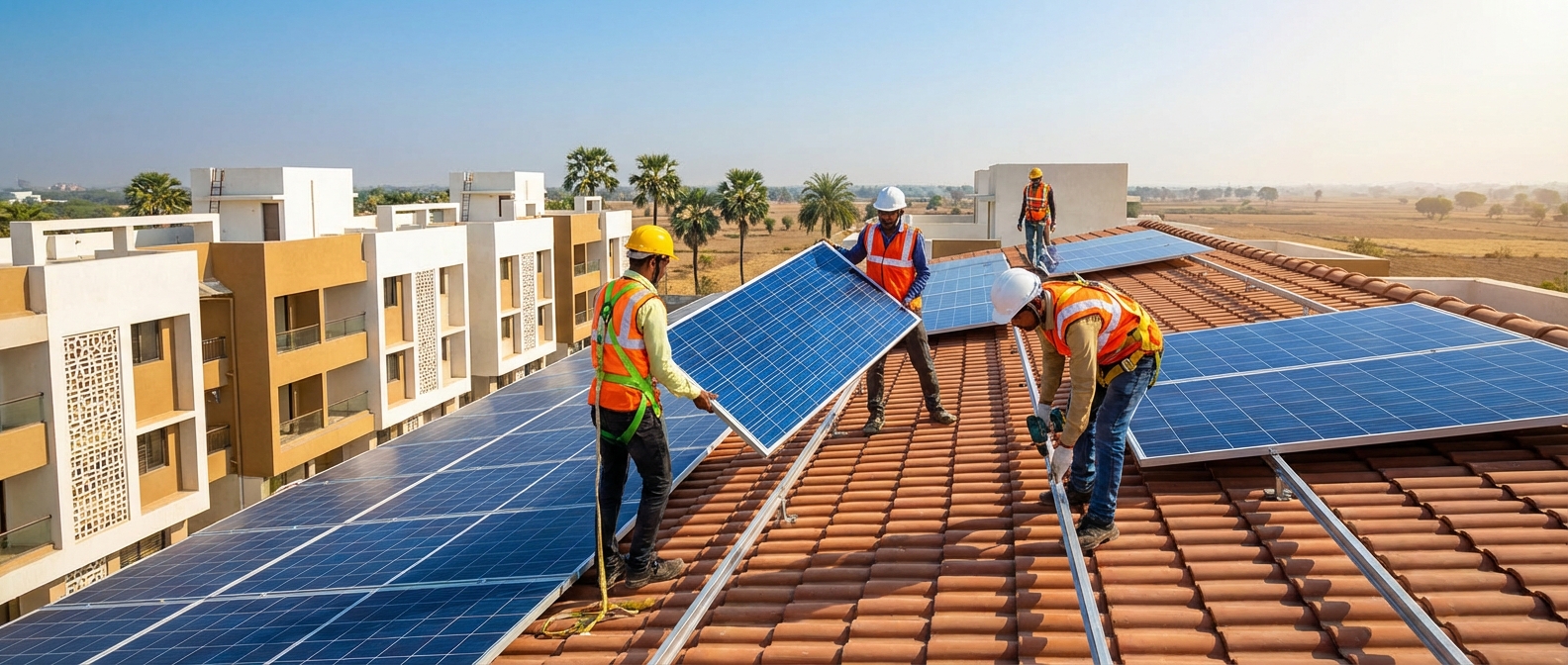
Professional solar installation is far more than simply mounting panels on your roof. It’s a complete turnkey solution that encompasses engineering, procurement, construction, regulatory compliance, and ongoing support. In Gujarat’s dynamic solar market, reputable providers like Heaven Green Energy Limited deliver end-to-end solar EPC services that handle every aspect of your project.
A comprehensive solar installation service package typically includes seven major components: initial consultation and site assessment, custom system design, equipment procurement, professional installation work, grid connection setup, government subsidy assistance, system commissioning, and post-installation maintenance support. Each component plays a critical role in ensuring your solar system performs optimally for its 25-year lifespan.
What makes solar installation in Gujarat particularly advantageous is the state’s excellent solar irradiation levels—averaging 5.5 to 6.0 kWh per square meter per day—combined with supportive policies from the Gujarat Urja Vikas Nigam Limited (GUVNL). These factors, coupled with professional installation services, help homeowners and businesses achieve faster payback periods and higher returns on investment.
The quality of your solar installation service directly impacts system performance, safety, longevity, and your overall satisfaction. Choosing experienced providers with proven track records in Gujarat ensures your system is designed correctly, installed safely, and supported reliably throughout its operational life.
1. Initial Consultation and Site Assessment
Every successful solar installation begins with a thorough consultation and site assessment. This critical first step determines whether solar is feasible for your property and what system configuration will deliver the best results. Professional solar companies in Gujarat typically offer this consultation at no cost, making it easy to explore your options without financial commitment.
During the initial consultation, solar experts analyze your current electricity consumption patterns by reviewing your utility bills from the past 12 months. This consumption analysis reveals your average monthly usage, peak demand periods, and seasonal variations, all essential data for properly sizing your solar system. The goal is to design a system that meets your actual energy needs rather than simply installing a generic solution.
The site assessment involves a detailed physical inspection of your property. For rooftop solar installations, engineers evaluate roof condition, structural integrity, available space, orientation, and tilt angle. They check for shading from nearby trees, buildings, or other obstructions that could reduce solar panel efficiency. In Gujarat’s climate, assessors also consider factors like wind load capacity and monsoon resilience to ensure your roof can safely support the solar array.
Advanced solar installation services now include digital tools like drone surveys and 3D modeling software that create precise roof measurements and shadow analysis reports. These technologies provide accurate data for system design while minimizing the need for extensive physical roof access during the assessment phase.
For commercial and industrial solar projects, the site assessment expands to include electrical infrastructure evaluation, transformer capacity analysis, and available land area for ground-mounted systems. The assessment team also reviews your facility’s expansion plans to ensure the solar system can accommodate future growth.
At the conclusion of the site assessment, you receive a preliminary feasibility report that outlines recommended system size, estimated energy production, approximate costs, potential savings, and expected payback period. This report forms the foundation for the detailed system design that follows.
2. Custom System Design and Engineering
Once the site assessment confirms solar feasibility, professional solar installation services move into the detailed design and engineering phase. This is where your solar system transforms from a concept into a precise technical blueprint tailored specifically to your property and energy requirements.
The system design process begins with determining optimal system capacity measured in kilowatts (kW). For residential installations in Gujarat, typical systems range from 3 kW to 10 kW, while commercial and industrial projects can span from 50 kW to several megawatts. The design team calculates the exact number of solar panels needed based on your energy consumption, available roof space, and budget considerations.
Engineers create detailed electrical drawings that show panel layout, string configurations, inverter placement, and complete wiring diagrams. These technical drawings specify cable sizes, conduit routing, junction box locations, and connection points to your existing electrical system. Proper electrical design ensures safety, efficiency, and compliance with Indian Electricity Rules and Gujarat state regulations.
The structural design component addresses how the solar panels will be mounted and secured. For rooftop installations, engineers design mounting structures that distribute weight evenly, withstand wind speeds up to 150 km/h (common during Gujarat’s monsoon season), and maintain proper panel tilt angles for optimal energy capture. The structural design must account for your specific roof type, whether concrete, metal sheet, or tile, and ensure waterproofing integrity is maintained.
System design also includes selecting the appropriate inverter technology. String inverters work well for most residential and small commercial installations, while larger projects may benefit from central inverters or microinverter systems. The design team considers factors like shading patterns, system expandability, and monitoring requirements when recommending inverter solutions.
Professional solar installation services in Gujarat ensure all designs comply with Central Electricity Authority (CEA) regulations, Bureau of Indian Standards (BIS) specifications, and GUVNL technical requirements for grid-connected systems. This compliance is essential for obtaining necessary approvals and qualifying for government subsidies.
You receive a comprehensive design package that includes system layout drawings, electrical schematics, equipment specifications, energy production estimates, and a detailed project timeline. This documentation serves as the blueprint for the installation phase and provides transparency about exactly what will be installed on your property.
3. Equipment Procurement and Quality Assurance
The equipment procurement phase is where your solar installation service provider sources all the components needed to build your system. The quality of equipment directly impacts your system’s performance, reliability, and longevity, making this a critical component of comprehensive installation services.
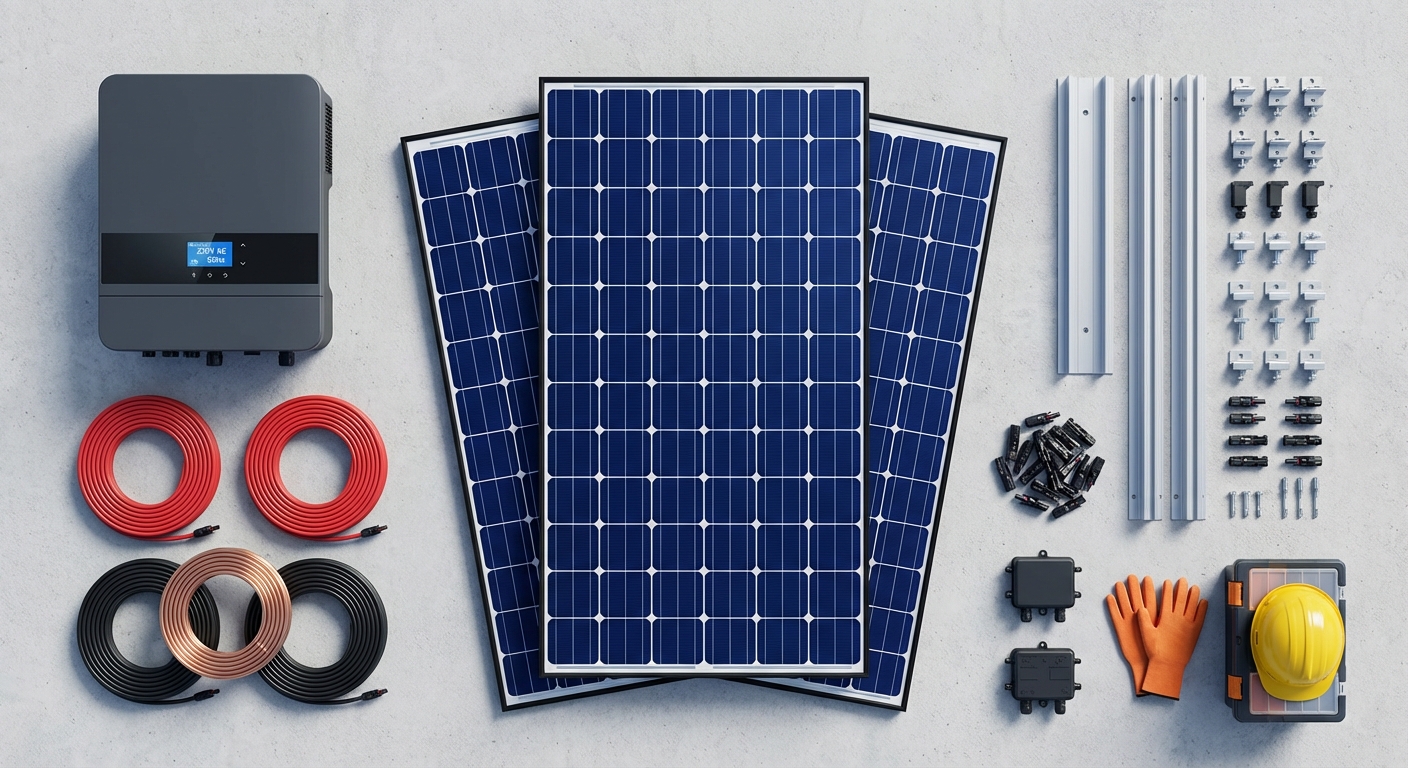
Professional solar companies in Gujarat work with established manufacturers and maintain relationships with trusted suppliers to ensure authentic, certified equipment. For solar panels, reputable providers source modules from top solar brands that offer strong warranties, proven performance records, and BIS certification for the Indian market.
The procurement process includes several key equipment categories. Solar modules form the heart of your system, with monocrystalline panels being the most popular choice in Gujarat due to their higher efficiency and better performance in high-temperature conditions. Your installation service should provide panels with minimum 25-year performance warranties and certifications from IEC, BIS, and other recognized standards bodies.
Solar inverters convert the DC electricity generated by panels into AC electricity usable in your home or business. Quality installation services offer inverters from reputable brands with 5 to 10-year warranties, proper sizing for your system capacity, and features like remote monitoring and grid synchronization capabilities. For Gujarat’s grid conditions, inverters must meet GUVNL technical specifications for voltage and frequency ranges.
The mounting structure and balance of system components include aluminum or galvanized steel rails, clamps, fasteners, and weatherproofing materials. These components must be corrosion-resistant to withstand Gujarat’s coastal humidity in areas like Surat and Junagadh. Professional services use hot-dip galvanized structures with minimum 120-micron coating thickness for long-term durability.
Electrical components include DC and AC cables with appropriate current ratings, junction boxes, surge protection devices, earthing materials, and safety disconnects. Quality installation services use ISI-marked cables with UV-resistant insulation suitable for outdoor rooftop conditions where temperatures can exceed 60°C during Gujarat’s summer months.
Comprehensive solar installation services provide complete documentation for all procured equipment, including manufacturer warranties, test certificates, BIS certifications, and product datasheets. This documentation is essential for warranty claims, subsidy applications, and future system maintenance. Reputable providers also maintain equipment inventory to ensure timely project execution without delays due to component shortages.
The procurement timeline typically spans 2 to 4 weeks for residential projects and longer for large commercial installations. Your service provider should keep you informed about equipment delivery schedules and any potential delays that might affect the overall project timeline.
4. Professional Solar Installation Work
The actual installation phase is where your solar system comes to life. Professional solar installation work requires skilled technicians, proper tools, safety equipment, and adherence to best practices to ensure your system is built correctly and safely.
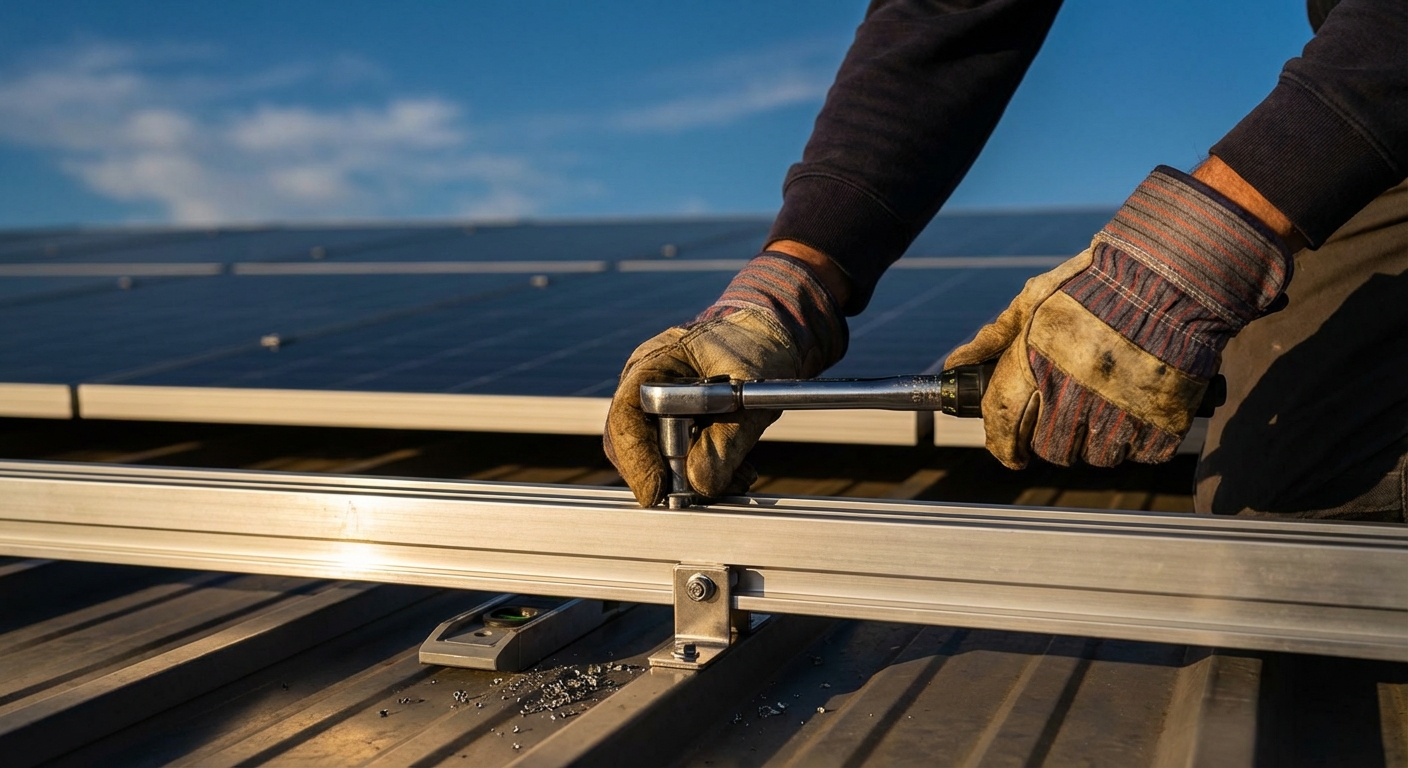
Installation typically begins with roof preparation and mounting structure assembly. Technicians carefully mark mounting points according to the approved design drawings, ensuring proper spacing and alignment. For concrete roofs common in Gujarat, this involves drilling anchor points and installing chemical anchors or expansion bolts that can support the system’s weight and withstand wind loads. Waterproofing sealants are applied at all penetration points to prevent leaks during monsoon season.
The mounting rails are then installed and leveled to create a stable framework for the solar panels. Professional installers use laser levels and precision measuring tools to ensure rails are perfectly aligned, as even small misalignments can cause installation difficulties and reduce system aesthetics. The rail structure must be grounded properly with earthing strips connected to your building’s main earthing system.
Solar panel installation follows a systematic approach where modules are carefully lifted to the roof, positioned on the mounting rails, and secured with mid-clamps and end-clamps. Experienced installation teams in Gujarat work during cooler morning hours when possible, as panels can become extremely hot under the intense midday sun. Each panel is checked for proper orientation, secure fastening, and absence of damage before moving to the next.
The electrical installation phase involves connecting panels in series to form strings, running DC cables through conduits to the inverter location, and installing the inverter itself in a shaded, well-ventilated area. Professional installers follow color-coding standards (red for positive, black for negative) and use proper cable management techniques with UV-resistant cable ties and conduits. All connections are made with MC4 connectors that provide weatherproof, secure electrical joints.
The inverter installation includes mounting the unit on a sturdy wall, connecting DC input cables from the solar array, and wiring AC output cables to your electrical distribution board. A dedicated AC isolator switch is installed between the inverter and your main panel, allowing safe disconnection when needed. The inverter must be positioned to avoid direct sunlight and rain exposure while maintaining adequate ventilation for heat dissipation.
What Makes Solar Installation in Gujarat Unique
Installing solar systems in Gujarat requires specific considerations due to the state’s climate and conditions. The intense summer heat, with temperatures often exceeding 45°C, means installers must use temperature-resistant cables and ensure adequate spacing between panels and roof surface for air circulation. This spacing helps panels operate cooler and maintain higher efficiency.
Monsoon preparation is critical for solar installation in Gujarat. Professional installers apply extra waterproofing at all roof penetrations, use stainless steel fasteners that resist corrosion, and ensure proper drainage so water doesn’t pool around mounting structures. The installation must withstand heavy rainfall and strong winds that accompany Gujarat’s monsoon season from June to September.
Coastal areas like Surat require additional corrosion protection due to salt-laden air. Quality installation services use marine-grade stainless steel hardware and apply anti-corrosion coatings to mounting structures. These measures ensure your system remains structurally sound for decades despite the challenging coastal environment.
Throughout the installation process, professional teams follow strict safety protocols including fall protection harnesses, safety barriers, proper ladder usage, and electrical safety procedures. The installation phase for residential systems typically takes 2 to 4 days, while larger commercial projects may require several weeks depending on system size and complexity.
5. Grid Connection and Net Metering Setup
For grid-connected solar systems, the most common type in Gujarat, establishing the connection with your electricity distribution company is an essential component of comprehensive solar installation services. This process involves regulatory approvals, documentation, and physical meter installation that enables you to export excess solar energy to the grid and receive credits on your electricity bill.
Professional installation services handle the entire net metering application process with Gujarat Urja Vikas Nigam Limited (GUVNL) or your local distribution company. This includes preparing and submitting required documents such as system design drawings, equipment specifications, electrical safety certificates, and property ownership proof. The application process can be complex, and experienced providers navigate it efficiently to avoid delays.
The net metering approval timeline in Gujarat typically ranges from 2 to 6 weeks, depending on your distribution company and system size. During this period, GUVNL reviews your application, may conduct a site inspection, and issues a net metering approval letter specifying the sanctioned capacity. Your installation service provider coordinates with utility officials, schedules inspections, and addresses any technical queries that arise.
Once approval is granted, the distribution company installs a bi-directional meter that measures both electricity consumed from the grid and excess solar energy exported to the grid. This special meter replaces your existing unidirectional meter and forms the basis for net metering billing. Professional solar installation services coordinate the meter installation appointment and ensure your system is ready for grid synchronization.
The final step is grid synchronization testing, where your solar system is connected to the utility grid and tested for proper operation. Technicians verify that the inverter synchronizes correctly with grid voltage and frequency, safety disconnects function properly, and the bi-directional meter records energy flow accurately. This testing ensures your system meets all technical requirements and operates safely within the grid infrastructure.
For systems eligible for government subsidies under the PM-KUSUM or rooftop solar schemes, the net metering approval and commissioning documentation are essential for subsidy disbursement. Comprehensive installation services ensure all paperwork is completed correctly to facilitate smooth subsidy processing.
6. Government Subsidy and Financing Assistance
Navigating government subsidy schemes and financing options can be challenging, which is why professional solar installation services in Gujarat include assistance with these financial aspects. This support helps you maximize available incentives and makes solar energy more affordable.
The Government of India’s rooftop solar subsidy program offers financial support for residential installations up to 10 kW capacity. As of 2026, the subsidy structure provides significant support for systems up to 3 kW and reduced rates for capacity between 3 kW and 10 kW. Comprehensive installation services help you understand eligibility criteria, prepare required documentation, and submit applications through the national portal.
Gujarat also participates in the PM-KUSUM (Pradhan Mantri Kisan Urja Suraksha evam Utthan Mahabhiyan) scheme, which supports agricultural solar installations and solar water pumping systems. For farmers and agricultural businesses, professional installation providers assist with PM-KUSUM applications, coordinate with agricultural departments, and ensure installations meet scheme specifications.
The subsidy application process requires specific documentation including Aadhaar card, electricity bill, property ownership proof, bank account details, and technical specifications of the installed system. Your installation service provider compiles these documents, ensures they meet format requirements, and submits applications on your behalf. They also follow up on application status and address any queries from subsidy disbursement authorities.
Beyond subsidies, many solar installation companies in Gujarat have partnerships with financial institutions that offer solar loans with competitive interest rates. These financing options allow you to install solar systems with minimal upfront investment and repay through monthly installments that are often lower than your electricity bill savings. Professional services can connect you with financing partners, help with loan applications, and provide the technical documentation banks require for loan approval.
Installation services also provide detailed return on investment calculations that factor in subsidies, financing costs, electricity savings, and system lifespan. These financial projections help you understand the true economics of your solar investment and make informed decisions about system size and financing options.
The subsidy disbursement timeline varies but typically occurs within 3 to 6 months after system commissioning and submission of all required documents. Your installation provider tracks the subsidy status and assists with any additional documentation requests to ensure timely disbursement.
7. System Testing, Commissioning, and Handover
Before your solar system begins regular operation, comprehensive solar installation services include thorough testing, official commissioning, and formal handover. This phase ensures everything works correctly and you’re fully prepared to operate and monitor your new solar energy system.
System testing begins with electrical safety checks. Technicians use specialized instruments to measure insulation resistance, earthing continuity, polarity verification, and voltage levels at various points in the system. These tests confirm that all electrical connections are safe, properly insulated, and meet Indian Electricity Rules standards. Any issues discovered during testing are corrected before proceeding to commissioning.
Performance testing verifies that your system generates the expected power output. On a clear sunny day, technicians measure the current and voltage output from solar panel strings, inverter efficiency, and total system power generation. These measurements are compared against design specifications to confirm the system performs as promised. Professional installers document baseline performance data that serves as a reference for future monitoring.
The commissioning process includes preparing official documentation such as the commissioning report, test certificates, equipment warranty registrations, and as-built drawings that show the final installed configuration. This documentation package is essential for warranty claims, insurance purposes, and subsidy applications. Reputable solar installation services provide comprehensive documentation in both physical and digital formats.
Customer training is a valuable component of the handover process. Installation teams demonstrate how to monitor your system’s performance using mobile apps or web portals, explain what the inverter display indicators mean, show you how to use manual disconnects safely, and provide guidance on basic maintenance tasks like visual inspections. This training empowers you to understand your system and identify potential issues early.
The monitoring system setup connects your solar installation to cloud-based platforms that track energy production, system health, and performance metrics in real-time. Modern inverters include Wi-Fi connectivity that sends data to manufacturer apps, allowing you to monitor your system from anywhere. Professional services configure these monitoring tools, create your user account, and ensure you can access performance data easily.
During the formal handover, you receive all system documentation including equipment manuals, warranty certificates, electrical drawings, commissioning reports, and maintenance guidelines. The installation team reviews the warranty terms, explains the claims process, and provides contact information for technical support. This handover marks the official completion of the installation project and the beginning of your solar energy journey.
8. Post-Installation Support and Maintenance
The relationship with your solar installation service provider doesn’t end at commissioning. Comprehensive services include ongoing support and maintenance that ensures your system continues performing optimally throughout its 25-year lifespan.
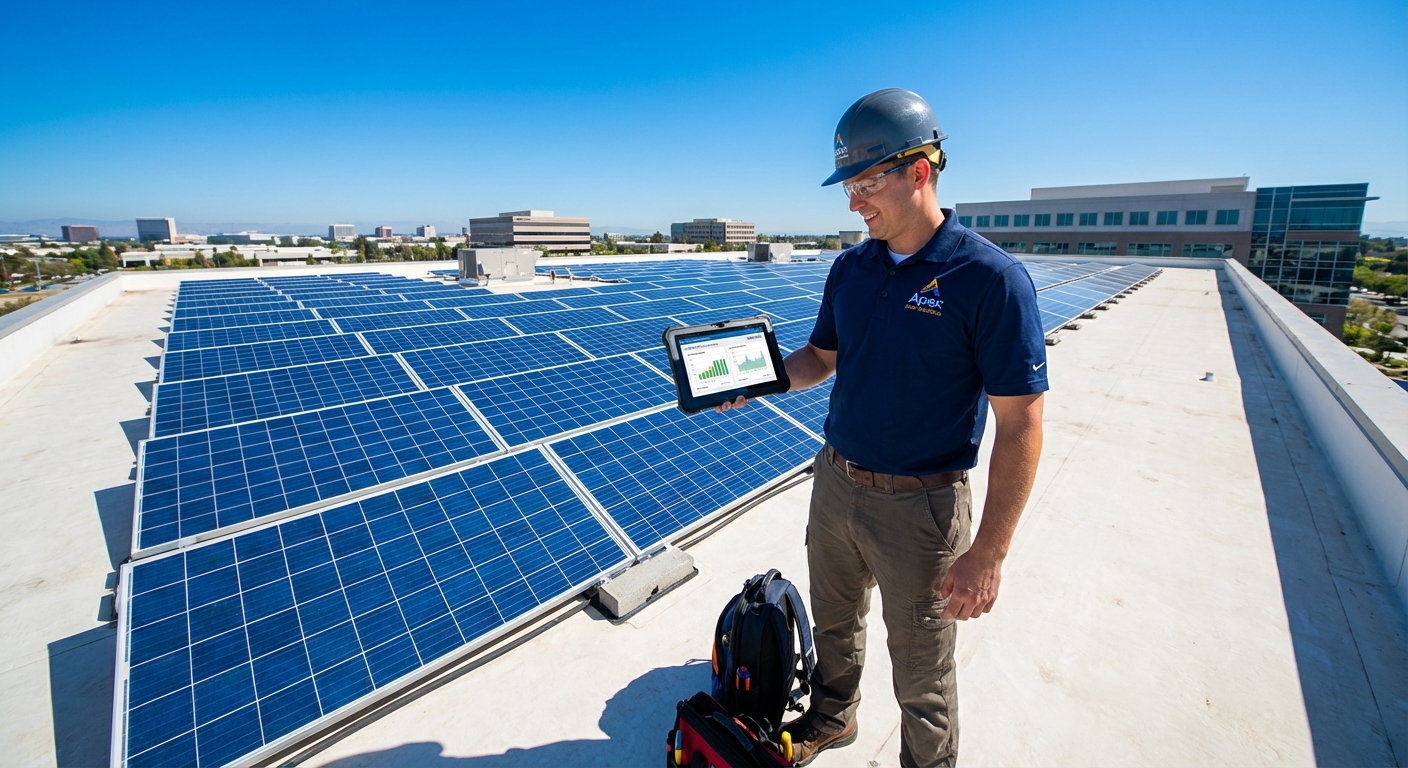
Remote monitoring forms the foundation of post-installation support. Professional solar companies in Gujarat continuously track your system’s performance through connected monitoring platforms. When performance drops below expected levels or system faults occur, the monitoring system sends alerts to the service team who can diagnose issues remotely and dispatch technicians when necessary. This proactive approach minimizes downtime and energy production losses.
Preventive maintenance services include periodic inspections and cleaning that keep your system operating efficiently. In Gujarat’s dusty environment, especially during summer months, dust accumulation on solar panels can reduce output by 15 to 25 percent. Professional maintenance services offer scheduled cleaning using proper techniques and equipment that remove dust without scratching panel surfaces. Cleaning frequency depends on your location, with industrial areas and regions near construction sites requiring more frequent service.
Annual maintenance inspections involve comprehensive system checks including electrical connection tightness, cable condition assessment, inverter performance verification, mounting structure integrity, and panel condition evaluation. Technicians identify and address minor issues before they become major problems, extending system life and maintaining optimal performance.
When repairs are needed, comprehensive solar installation services provide prompt troubleshooting and repair support. Common issues include inverter faults, cable damage from rodents or weather, loose connections, and occasional panel failures. Reputable providers maintain spare parts inventory and trained technicians who can quickly diagnose and resolve problems. Most quality installations experience minimal issues, but having reliable repair support provides peace of mind.
Warranty support is another critical aspect of post-installation service. Solar panels typically carry 25-year performance warranties and 10-year product warranties, while inverters have 5 to 10-year warranties. When warranty claims are necessary, your installation provider assists with documentation, coordinates with manufacturers, and facilitates replacement or repair of defective components. This support is especially valuable when dealing with international manufacturers where direct communication can be challenging.
System expansion and upgrade services accommodate your changing energy needs. As your electricity consumption grows or you add electric vehicles, professional providers can design and install additional solar capacity that integrates seamlessly with your existing system. They can also upgrade inverters, add battery storage, or implement advanced monitoring solutions as technology evolves.
The availability of responsive customer support distinguishes excellent solar installation services in Gujarat from basic installation contractors. Companies like Heaven Green Energy Limited provide dedicated support channels including phone support at +91 63904 05060, email assistance, and service request systems that ensure you always have access to expert help when needed.
Cost Components of Solar Installation Services
Understanding the cost structure of solar installation services helps you evaluate quotes and ensure you’re getting fair value. The total investment in a solar system includes both equipment costs and service costs, each representing important value components.
Equipment costs typically account for 60 to 70 percent of the total project cost. Solar panels represent the largest equipment expense, followed by inverters, mounting structures, cables, and electrical components. The quality and brand of equipment significantly impact both upfront costs and long-term value. Premium panels with higher efficiency and longer warranties cost more initially but deliver better performance and reliability over the system’s lifetime.
Service costs cover the professional expertise, labor, project management, and support that transform equipment into a functioning solar system. These costs include site assessment, system design and engineering, installation labor, electrical work, structural installation, safety measures, regulatory approvals, commissioning, and initial warranty support. Professional installation services typically represent 25 to 35 percent of total project costs.
Additional cost components may include civil work for ground-mounted systems, electrical panel upgrades if your existing infrastructure needs enhancement, extended warranties, monitoring system subscriptions, and maintenance contracts. Transparent solar installation services provide detailed quotations that break down all cost components so you understand exactly what you’re paying for.
Several factors influence total installation costs in Gujarat. System size is the primary driver, with larger systems benefiting from economies of scale that reduce per-watt costs. Roof complexity affects installation labor costs, simple flat concrete roofs are easier and less expensive to work on than sloped tile roofs or metal sheet roofs. Accessibility challenges like multi-story buildings or difficult site access can increase installation costs.
The value of comprehensive service packages becomes clear when comparing total cost of ownership rather than just upfront price. While basic installation contractors may offer lower initial quotes, they often cut corners on design quality, use inferior components, provide minimal documentation, and offer limited post-installation support. These shortcuts can result in lower energy production, more frequent repairs, warranty claim difficulties, and shorter system life, ultimately costing more over time.
Professional solar installation services deliver value through proper system sizing that maximizes your return on investment, quality equipment that performs reliably for decades, expert installation that ensures safety and optimal performance, complete documentation that facilitates subsidies and warranties, and ongoing support that protects your investment. When evaluating costs, consider the complete package rather than just the lowest price.
For residential systems in Gujarat, typical turnkey installation costs range from ₹50,000 to ₹70,000 per kW for quality installations, with variations based on system size, equipment brands, and site conditions. Commercial and industrial projects often achieve lower per-watt costs due to larger scale. Government subsidies can reduce net costs by 30 to 40 percent for eligible residential installations, significantly improving project economics.
Choosing the Right Solar Installation Partner in Gujarat
Selecting the right solar installation service provider is one of the most important decisions in your solar journey. The quality of your installation partner directly impacts system performance, project experience, and long-term satisfaction.
Experience with Gujarat-specific projects is essential. Providers who have completed numerous installations across Gujarat understand local climate challenges, are familiar with GUVNL procedures, know which equipment performs best in regional conditions, and have established relationships with local authorities that facilitate smooth approvals. Companies like Heaven Green Energy Limited, with branch offices in Ahmedabad, Surat, and Junagadh, bring deep regional expertise to every project.
Professional certifications and industry affiliations indicate commitment to quality and best practices. Look for installers with certifications from the Ministry of New and Renewable Energy (MNRE), membership in industry associations like the National Solar Energy Federation of India (NSEFI), and partnerships with reputable equipment manufacturers. These credentials demonstrate technical competence and adherence to industry standards.
A strong project portfolio with verifiable references provides confidence in a provider’s capabilities. Request examples of completed projects similar to yours in size and type. Reputable companies willingly share customer testimonials, project photos, and references you can contact. Be cautious of providers who cannot demonstrate a track record of successful installations.
Comprehensive service offerings that include design, installation, approvals, and maintenance indicate a full-service provider capable of managing your entire project. Companies that only install equipment but don’t handle regulatory approvals or provide post-installation support leave you to navigate complex processes alone. Integrated service providers deliver a smoother experience and clearer accountability.
Transparent pricing and detailed quotations reflect professional business practices. Quality solar installation services provide itemized quotes that break down equipment costs, installation charges, and additional services. They explain what’s included and what’s not, discuss warranty terms clearly, and don’t surprise you with hidden charges later. Be wary of quotes that seem too good to be true or lack detail.
After-sales support commitment is crucial for long-term satisfaction. Ask about warranty support processes, maintenance service availability, response times for service requests, and how the company handles technical issues. Providers with local service teams and established support infrastructure can respond quickly when you need assistance. Companies that have been operating for several years demonstrate stability and commitment to supporting their installations.
Financial stability and business reputation matter when choosing a partner for a 25-year investment. Research the company’s background, check online reviews, verify their business registration, and assess their financial health. Established companies with solid reputations are more likely to be around to honor warranties and provide support years into the future.
Frequently Asked Questions About Solar Installation Services
How long does solar installation take from start to finish?
The complete solar installation timeline in Gujarat typically spans 6 to 12 weeks from initial consultation to grid connection. The site assessment and design phase takes 1 to 2 weeks, equipment procurement requires 2 to 4 weeks, physical installation takes 2 to 4 days for residential systems, and net metering approval and grid connection adds another 2 to 6 weeks. Larger commercial projects require longer timelines. Professional service providers give you a detailed project schedule at the outset and keep you informed of progress throughout.
What approvals are needed for solar installation in Gujarat?
For grid-connected rooftop solar systems in Gujarat, you need net metering approval from GUVNL or your local distribution company. This is the primary regulatory approval required. For systems above certain capacity thresholds or ground-mounted installations, additional approvals from the Electrical Inspector may be necessary. If you’re applying for government subsidies, you’ll need to register on the national solar portal and obtain subsidy sanction. Professional installation services handle all these approvals as part of their comprehensive package, ensuring compliance with all regulatory requirements.
Do I need to be present during the installation?
While your presence isn’t required throughout the entire installation process, it’s helpful to be available at key milestones. You should be present for the initial site assessment to discuss your requirements and answer questions about your property. Being available on the first day of installation allows you to meet the installation team and understand the work plan. Your presence is important during system commissioning and handover to receive training on system operation and ask questions. For the actual installation work, the professional team can proceed independently, though many homeowners enjoy observing the process.
What happens during monsoon season in Gujarat?
Professional solar installation services design systems specifically to withstand Gujarat’s monsoon conditions. Proper waterproofing at all roof penetrations, corrosion-resistant mounting hardware, and secure panel fastening ensure your system remains safe and functional during heavy rains and winds. Most installers avoid scheduling new installations during peak monsoon months (July-August) when possible, but existing systems continue operating normally. Solar panels actually benefit from monsoon rains, which naturally clean accumulated dust and improve performance. If installation must occur during monsoon season, professional teams take extra precautions and may pause work during heavy rainfall for safety reasons.
How soon can I start saving on electricity bills after solar installation?
You begin generating solar electricity and reducing grid consumption as soon as your system is commissioned and connected to the grid. However, the full financial benefits become apparent after your first billing cycle under net metering. In Gujarat, most distribution companies use monthly or bi-monthly billing cycles. Your first bill after solar installation will show reduced grid consumption and may include credits for excess solar energy exported to the grid. The exact savings depend on your system size, energy consumption patterns, and electricity tariff rates. Most homeowners see 50 to 90 percent reduction in electricity bills, with the savings beginning immediately after grid connection.
Take the First Step Toward Solar Energy Independence
Understanding what’s included in comprehensive solar installation services empowers you to make informed decisions and choose the right partner for your solar journey. From initial site assessment through decades of post-installation support, professional services ensure your investment delivers maximum value, reliable performance, and peace of mind.
Gujarat’s abundant sunshine, supportive policies, and mature solar market create ideal conditions for solar adoption. Whether you’re a homeowner seeking to reduce electricity costs, a business looking to lower operational expenses, or an industrial facility planning large-scale solar implementation, comprehensive installation services handle every aspect of your project with expertise and professionalism.
The quality of your solar installation directly impacts your system’s performance, safety, longevity, and overall satisfaction. Choosing experienced providers who offer complete turnkey solutions, from design and installation through approvals, commissioning, and ongoing support, ensures your solar system operates optimally for its entire 25-year lifespan.
Heaven Green Energy Limited has been delivering comprehensive solar installation services across Gujarat since 2017, with over 10,000 successful installations and recognition as one of the top EPC companies in the state. Their end-to-end approach covers every component discussed in this guide, ensuring customers receive complete, professional service from initial consultation through long-term system support.
Ready to explore how professional solar installation services in Gujarat can transform your property into a clean energy generator? The team at Heaven Green Energy is here to answer your questions, assess your site, and design a solar solution tailored to your specific needs. Have any questions? Call +91 63904 05060 to speak with solar experts who understand Gujarat’s unique conditions and can guide you through every step of your solar journey. Start saving on electricity bills while contributing to a sustainable future, your solar installation begins with a simple conversation.
This blog post was written using thestacc.com