


Understanding Solar Pricing Beyond the Sticker Price
When you first explore solar energy options in Gujarat, you’ll quickly notice something puzzling: quotes from different providers can vary by 30% or more for seemingly identical systems. A 5 kW rooftop solar installation might be quoted at ₹2.5 lakhs by one company and ₹3.5 lakhs by another. This variation isn’t random, and it’s not always about one company trying to overcharge you.
The truth about solar pricing is that the advertised “per watt” rate you see in marketing materials rarely tells the complete story. Beyond the basic cost of solar panels and inverters, there are at least 14 significant cost factors that influence your final investment. Some of these expenses are one-time charges, while others represent long-term value that protects your investment for decades.
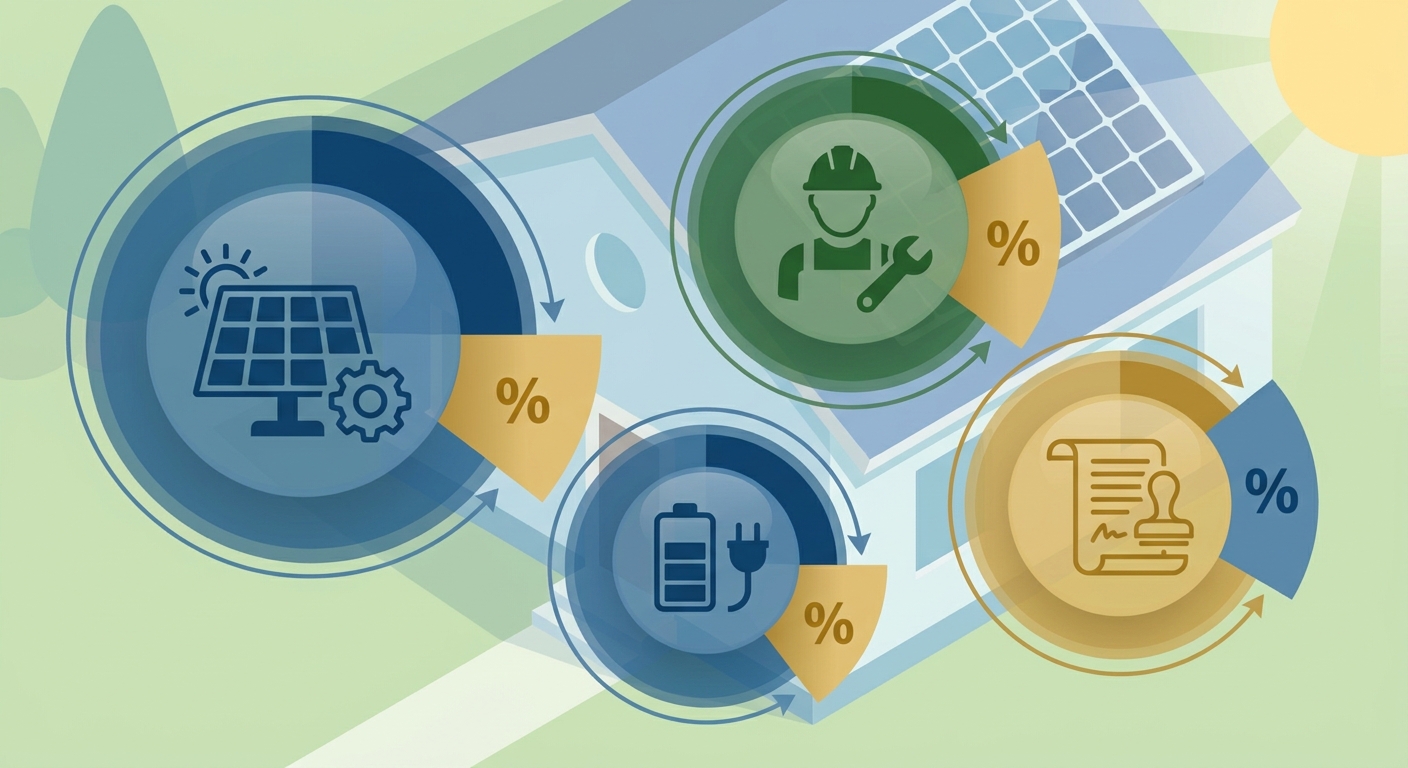
Understanding these hidden elements is essential for accurate budgeting and making informed decisions. Whether you’re a homeowner looking to reduce electricity bills, a factory owner seeking to lower operational costs, or a developer planning a large-scale solar park, knowing what drives solar pricing helps you evaluate quotes intelligently and avoid unpleasant surprises during installation.
In Gujarat’s competitive solar market, where both residential and industrial solar adoption continues to grow rapidly in 2026, transparency in pricing separates professional EPC providers from those cutting corners. This comprehensive guide reveals the 14 often-overlooked cost elements that impact your final solar quote, helping you understand exactly what you’re paying for and why quality installations justify their price tags.
1. Site Assessment and Feasibility Study Fees
Before a single panel touches your roof, professional solar providers conduct detailed site assessments to determine system feasibility and optimal design. This critical first step involves much more than a quick visual inspection.
Professional site surveys include structural analysis of your roof or ground area, measuring dimensions, identifying potential obstacles, and assessing the load-bearing capacity of existing structures. Engineers use specialized equipment to create accurate site maps that inform system design. For commercial and industrial projects, this process becomes even more complex, often requiring drone surveys and detailed architectural reviews.
Shadow analysis represents another crucial component of site assessment. Solar professionals use tools to map how shadows from nearby trees, buildings, chimneys, or other structures will affect your panels throughout the year. In Gujarat’s urban areas like Surat and Ahmedabad, where buildings are often closely spaced, this analysis determines optimal panel placement and realistic energy production estimates.
For ground-mounted solar parks, soil testing adds another layer of assessment costs. Engineers must evaluate soil composition, bearing capacity, and drainage characteristics to design appropriate foundation systems. This prevents costly structural failures and ensures your solar investment remains stable for its 25-year lifespan.
While some providers offer “free” site assessments, these costs are typically built into the overall project price. Reputable companies invest ₹5,000 to ₹25,000 in thorough feasibility studies for residential projects, and significantly more for commercial installations. This upfront investment saves money by preventing design errors, optimizing system performance, and avoiding expensive mid-project modifications.
2. Roof Structural Upgrades and Reinforcement
Your existing roof might not be ready to support a solar installation without modifications. Solar panels, mounting structures, and associated equipment add significant weight to your roof structure. A typical residential system adds 15-20 kg per square meter, which older or weakened roofs may not safely support.
Load-bearing capacity assessments often reveal the need for structural reinforcement, especially in buildings more than 15 years old. This might involve adding support beams, reinforcing trusses, or strengthening the roof deck. In Gujarat’s coastal regions like Junagadh, where salt air accelerates corrosion, older metal roofs frequently require additional bracing before solar installation.
Roof repair or replacement sometimes becomes necessary before installation can proceed. Damaged tiles, corroded metal sheets, or deteriorating waterproofing must be addressed first. Installing solar panels over a compromised roof creates long-term problems, as accessing the roof for repairs after installation is significantly more expensive and complicated.
Waterproofing and sealing work represents another often-overlooked expense. Mounting structures require penetrations through your roof surface, and each penetration point must be properly sealed to prevent leaks. Professional installers use high-quality sealants and flashing systems, but these materials and the skilled labor to install them correctly add to project costs.
Structural upgrade costs vary widely based on your roof’s condition and type. Budget anywhere from ₹15,000 for minor reinforcement to ₹1.5 lakhs or more for extensive structural work on commercial buildings. While these expenses aren’t directly related to solar equipment, they’re essential for a safe, long-lasting installation.
3. Electrical Infrastructure Modernization
Your building’s electrical system must be compatible with solar power generation, and many older properties require significant upgrades to meet current safety standards and accommodate bidirectional power flow.
Panel upgrades and circuit modifications are frequently necessary when adding solar. Your main electrical panel must have adequate capacity to handle solar input, and dedicated circuits with appropriate breakers must be installed. Older homes with 60-amp or 100-amp service panels often need upgrades to 200-amp panels to safely integrate solar systems.
Meter replacement and net metering setup involves coordination with your local electricity distribution company. In Gujarat, setting up net metering requires installing a bidirectional meter that tracks both electricity consumed from the grid and excess solar power exported back. While some distribution companies provide these meters, installation fees, testing charges, and connection costs typically range from ₹8,000 to ₹25,000.
Grounding and earthing systems must meet stringent safety requirements for solar installations. Proper grounding protects your system from lightning strikes and electrical faults, which is particularly important during Gujarat’s monsoon season. This involves installing ground rods, bonding all metal components, and creating equipotential planes. Professional grounding systems cost ₹10,000 to ₹40,000 depending on system size and soil conditions.
Electrical safety compliance extends beyond basic code requirements. Quality installations include surge protection devices, rapid shutdown systems for firefighter safety, and arc-fault detection. These safety features add ₹15,000 to ₹50,000 to residential projects but provide essential protection for your home and investment.
4. Permits, Approvals, and Documentation Fees
Navigating the regulatory landscape for solar installations involves multiple government agencies and substantial paperwork. These administrative costs are unavoidable but vary significantly based on project size and location within Gujarat.
Municipal building permits are required in most Gujarat cities before solar installation can begin. Local municipal corporations review your plans to ensure compliance with building codes, setback requirements, and structural safety standards. Permit fees typically range from ₹2,000 for small residential systems to ₹25,000 or more for large commercial installations.
Electricity board approvals and connection fees represent another significant administrative expense. You must obtain permission from your local distribution company (such as DGVCL, UGVCL, MGVCL, or PGVCL in different Gujarat regions) before connecting your solar system to the grid. This process involves submitting technical documentation, paying application fees, and sometimes waiting several weeks for approval. Connection charges vary but typically cost ₹5,000 to ₹30,000.
Fire safety and structural clearances may be required for commercial and industrial projects. Fire departments review system designs to ensure adequate access for emergency responders and compliance with fire safety codes. Structural engineers must certify that buildings can safely support solar installations. These professional certifications add ₹10,000 to ₹75,000 to project costs.
Government subsidy application processing involves additional documentation and sometimes consulting fees. If you’re applying for subsidies under schemes like the PM-KUSUM program or state-level incentives, professional assistance with paperwork can cost ₹5,000 to ₹20,000 but significantly improves approval chances and speeds up the process. Learn more about comprehensive solar EPC services that handle all permitting and approvals on your behalf.
5. Solar Panel Quality Tiers and Brand Premiums
Not all solar panels are created equal, and the quality tier you choose dramatically impacts both upfront solar pricing and long-term performance. Understanding these differences helps you make informed decisions about where to invest your money.
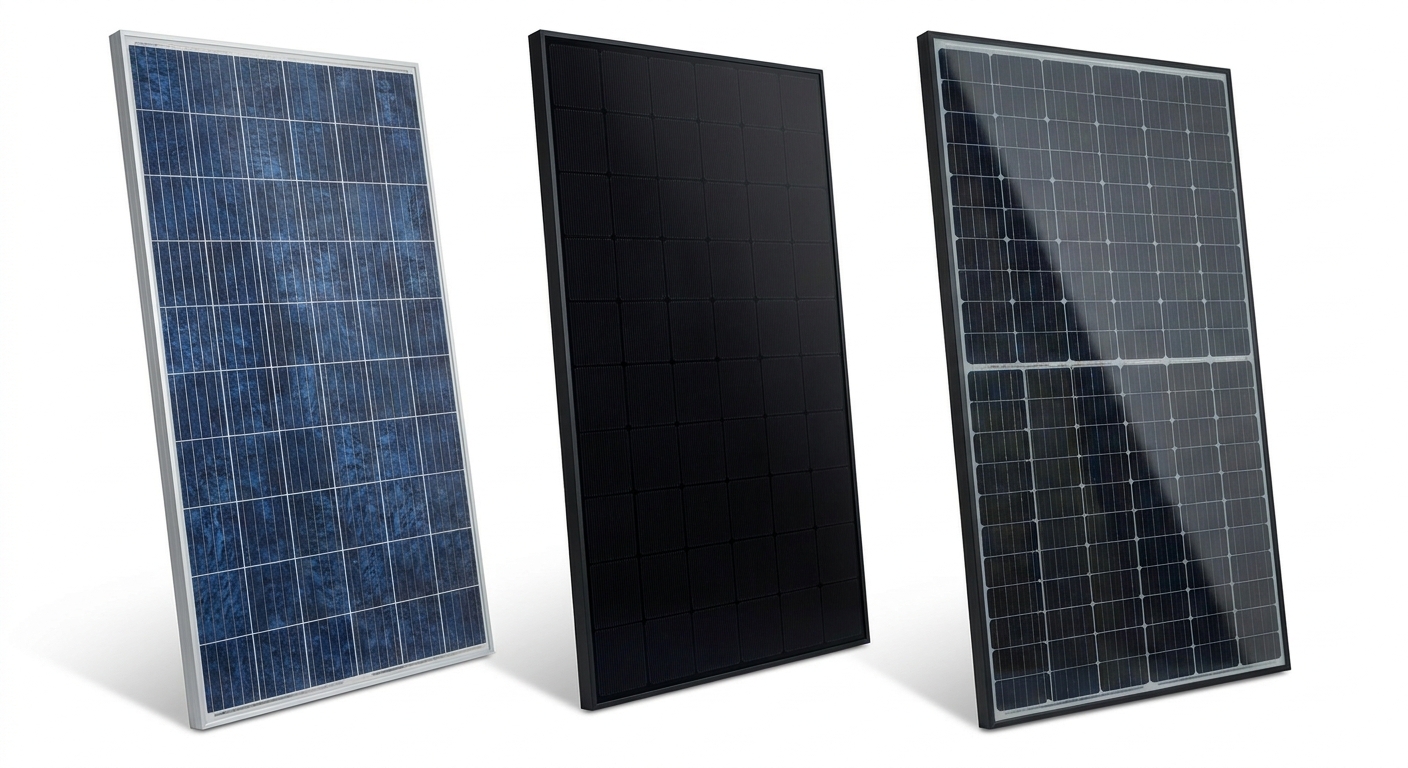
Monocrystalline panels represent the premium option, offering 18-22% efficiency and superior performance in limited space. These panels use high-purity silicon and feature a distinctive uniform black appearance. They cost ₹25-35 per watt but generate more electricity per square meter, making them ideal for rooftop solar installations where space is constrained.
Polycrystalline panels offer a more budget-friendly option at ₹20-28 per watt, with efficiency ratings of 15-17%. These panels have a blue-speckled appearance and perform adequately in most applications, though they require more roof space to generate the same power output as monocrystalline alternatives.
Thin-film panels represent the most affordable option at ₹15-22 per watt but are rarely used in Gujarat’s residential market due to their lower efficiency (10-13%) and larger space requirements. They perform better in high-temperature conditions but need significantly more installation area.
Tier 1, 2, and 3 manufacturer classifications add another pricing dimension. Tier 1 manufacturers like those featured in our Gujarat solar brands comparison have proven financial stability, automated production, and extensive quality control. They command premium prices but offer superior warranties and reliability. Tier 2 and 3 manufacturers may offer lower prices but come with higher risk of performance issues or warranty claims being unfulfilled.
Performance warranties vary significantly across brands. Premium panels include 25-year linear power output warranties guaranteeing 80-85% of original capacity after 25 years, plus 10-12 year product warranties covering manufacturing defects. Budget panels might offer only 10-year performance warranties with less favorable degradation rates. This warranty difference justifies price premiums for quality-conscious buyers planning long-term ownership.
6. Solar Inverter Technology and Specifications
The solar inverter converts DC electricity from your panels into AC power usable by your home or business. This critical component represents 10-15% of total system cost, and choosing the right inverter technology significantly impacts system performance and solar pricing.
String inverters are the most common and cost-effective option for residential and small commercial installations. A single inverter handles the entire array, costing ₹8,000-15,000 per kW. They work well when all panels receive similar sunlight, but performance suffers if shading affects even a few panels. String inverters typically last 10-15 years and require replacement during your system’s lifetime.
Microinverters attach to each individual panel, optimizing performance panel-by-panel. This technology costs ₹15,000-25,000 per kW but eliminates shading losses and allows for flexible system expansion. Microinverters typically carry 25-year warranties matching panel lifespans, eliminating mid-life replacement costs. For Gujarat rooftops with chimneys, water tanks, or partial shading, microinverters often justify their premium pricing through increased energy production.
Hybrid inverters combine solar conversion with battery charging capabilities, costing ₹20,000-35,000 per kW. These sophisticated units manage power flow between solar panels, batteries, grid connection, and your loads. While more expensive upfront, hybrid inverters provide flexibility to add battery storage later without replacing your inverter.
Smart monitoring features and connectivity add ₹5,000-15,000 to inverter costs but provide valuable insights into system performance. Modern inverters with WiFi or cellular connectivity allow real-time monitoring via smartphone apps, automatic fault detection, and remote troubleshooting. For commercial installations, these features enable proactive maintenance and maximize uptime.
7. Mounting Structure Materials and Engineering
The mounting structure holds your solar panels securely for 25+ years, withstanding Gujarat’s intense summer heat, monsoon rains, and occasional high winds. Material choices and engineering quality directly impact both solar pricing and long-term reliability.
Aluminum mounting structures represent the premium option, offering excellent corrosion resistance and lightweight properties. Aluminum costs ₹15-25 per kg but requires no maintenance and performs exceptionally well in coastal Gujarat areas where salt air accelerates corrosion. The material’s light weight also reduces structural load on roofs.
Galvanized steel structures provide a more economical alternative at ₹8-15 per kg. Hot-dip galvanized steel offers good corrosion resistance when properly maintained and adequate strength for most applications. However, in coastal regions or industrial areas with corrosive atmospheres, galvanized steel may show rust within 10-15 years, requiring maintenance or replacement.
Wind load and seismic design requirements add engineering costs but ensure safety during extreme weather. Gujarat falls in moderate wind and seismic zones, requiring structures designed to withstand wind speeds of 150+ km/h and seismic forces. Proper engineering adds ₹3-8 per watt to installation costs but prevents catastrophic failures during cyclones or earthquakes.
Roof-type specific mounting solutions vary in complexity and cost. Flat concrete roofs use ballasted systems or chemical anchors (₹8-12 per watt), sloped tile roofs require specialized tile hooks and flashing (₹10-15 per watt), and metal roofs use clamps or penetrating fasteners (₹7-10 per watt). Each roof type demands different mounting approaches, affecting overall solar pricing.
8. Balance of System Components
Beyond panels, inverters, and mounting structures, numerous smaller components collectively represent 8-12% of total system cost. These “balance of system” elements are essential for safe, efficient operation but often overlooked in initial solar pricing discussions.
Wiring, cables, and conduit quality significantly impacts system safety and longevity. Solar installations require UV-resistant DC cables rated for outdoor use, properly sized AC cables for inverter connections, and weather-resistant conduit protecting all wiring. Premium copper cables with appropriate insulation cost ₹40-80 per meter but prevent voltage losses and fire hazards. Budget installations using undersized or inferior cables create safety risks and reduce system efficiency.
Junction boxes and combiner boxes consolidate connections from multiple panels or strings, providing overcurrent protection and isolation points for maintenance. Quality junction boxes with proper IP ratings (IP65 or higher for outdoor use) cost ₹2,000-8,000 each. Commercial systems may require multiple combiner boxes, adding ₹15,000-50,000 to project costs.
Disconnect switches and safety equipment allow safe system shutdown for maintenance or emergencies. AC and DC disconnect switches, properly rated circuit breakers, and surge protection devices collectively cost ₹8,000-25,000 for residential systems and significantly more for commercial installations. These components are mandated by electrical codes and essential for installer and firefighter safety.
Monitoring systems and data loggers track system performance, enabling quick identification of problems and verification of expected energy production. Basic monitoring via inverter displays costs nothing extra, while comprehensive monitoring systems with weather stations, individual panel monitoring, and cloud-based analytics add ₹10,000-40,000. For commercial installations where downtime costs money, advanced monitoring justifies its expense through faster problem resolution.
9. Labor Costs and Installation Complexity
Labor represents 15-25% of total solar pricing, and installation complexity significantly affects this cost component. Understanding labor factors helps you evaluate quotes and appreciate the value of experienced installation teams.
Skilled versus unskilled labor pricing varies dramatically in Gujarat’s solar market. Experienced solar installers with proper training and certifications command ₹800-1,500 per day, while unskilled helpers earn ₹400-600 per day. Quality EPC companies employ certified electricians and trained solar technicians, ensuring safe, code-compliant installations. Budget providers sometimes use untrained labor, creating safety risks and potential system failures that cost more to fix than the initial labor savings.
Multi-story building access challenges increase labor costs substantially. Installing solar on a three-story building requires scaffolding, safety equipment, and additional time for material handling. Scaffolding rental alone costs ₹15,000-50,000 depending on building height and rental duration. Buildings taller than four stories may require specialized lifting equipment, adding ₹25,000-1 lakh to installation costs.
Installation timeline and crew size affect labor expenses. A typical 5 kW residential installation requires 3-4 workers for 3-5 days, costing ₹30,000-60,000 in labor. Larger commercial projects employ bigger crews for longer periods, with labor costs scaling proportionally. Rushed installations requiring overtime or weekend work command premium rates, increasing labor costs by 25-50%.
Seasonal demand fluctuations impact labor availability and pricing. Gujarat’s solar installation season peaks from October through March when weather conditions are ideal. During these months, experienced crews are in high demand, and labor rates increase by 10-20%. Installing during the off-season (April-September) sometimes yields lower labor costs, though monsoon rains can cause delays.
10. Transportation and Logistics Expenses
Getting solar equipment from manufacturers to your installation site involves multiple transportation steps and logistics coordination. These costs are often bundled into quotes but represent real expenses that vary based on project location and size.
Equipment shipping to Gujarat locations depends on where manufacturers and distributors are based. Solar modules manufactured in other Indian states incur transportation costs of ₹1-3 per watt. Imported equipment faces higher shipping costs plus customs duties and port handling charges. For a 5 kW residential system, transportation typically adds ₹5,000-15,000 to total costs.
Site accessibility and material handling create additional logistics challenges. Urban Surat or Ahmedabad locations with narrow lanes require smaller vehicles and manual material handling, increasing delivery costs. Rural Gujarat sites with unpaved access roads may need special vehicles or multiple transfers. Difficult access can add ₹5,000-25,000 to project costs through additional labor and equipment rental.
Storage and staging requirements affect costs when installation spans multiple days or weeks. Solar panels and equipment must be stored securely on-site or in nearby facilities. For large commercial projects, temporary storage facilities, security, and inventory management add ₹10,000-50,000 to project expenses.
Multi-trip delivery costs apply to large projects where all equipment cannot be delivered simultaneously. A 100 kW commercial installation might require 3-5 separate deliveries coordinated with installation progress. Each delivery trip costs ₹3,000-10,000 depending on distance and vehicle size. Professional EPC providers optimize delivery schedules to minimize these costs while ensuring materials arrive when needed.
11. Battery Storage System Integration
While not essential for grid-connected solar systems, battery storage adds significant capability and cost. Understanding battery options helps you decide whether storage makes sense for your application and budget.
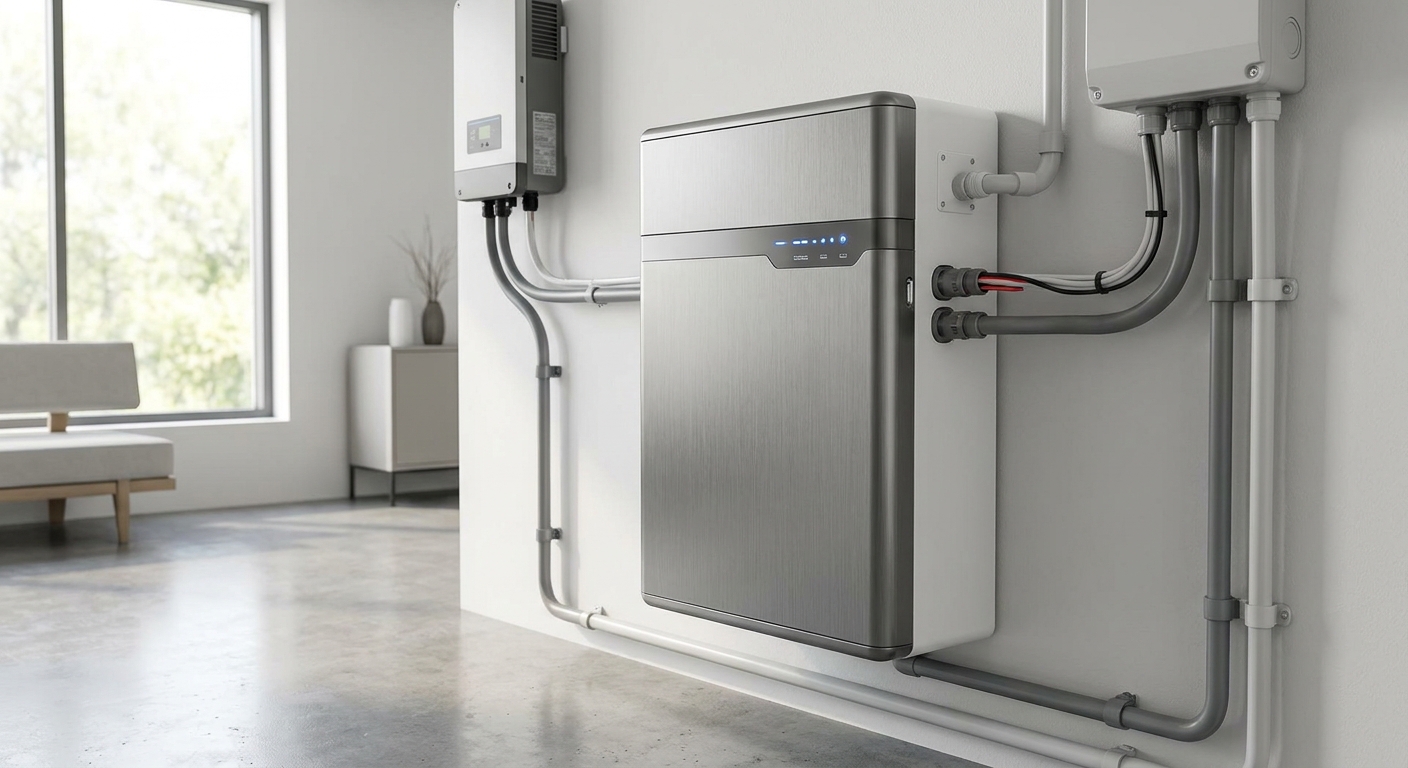
Lithium-ion batteries represent the premium storage option, offering 10-15 year lifespans, 90-95% round-trip efficiency, and compact size. Lithium iron phosphate (LiFePO4) batteries cost ₹12,000-18,000 per kWh of storage capacity. A 10 kWh battery system suitable for backing up essential loads in a typical home costs ₹1.2-1.8 lakhs plus installation. These batteries require minimal maintenance and handle daily cycling well, making them ideal for frequent use.
Lead-acid batteries provide a more affordable storage option at ₹6,000-10,000 per kWh but come with significant limitations. They last only 3-5 years with regular cycling, offer 70-80% efficiency, and require periodic maintenance. A comparable 10 kWh lead-acid system costs ₹60,000-1 lakh initially but needs replacement 2-3 times during a solar system’s lifetime, potentially costing more long-term than lithium alternatives.
Capacity requirements and backup duration determine battery system size and cost. Backing up essential loads (lights, fans, refrigerator) during power outages requires 5-10 kWh for most homes. Running an entire household including air conditioning demands 15-25 kWh or more. Commercial facilities with critical operations may need 50-500 kWh systems costing ₹6 lakhs to ₹90 lakhs. Accurately assessing your backup needs prevents over-investment in unnecessary capacity.
Installation and integration complexity adds 15-25% to battery costs. Hybrid inverters, battery management systems, additional wiring, and safety disconnects collectively cost ₹30,000-1.5 lakhs depending on system size. Professional integration ensures batteries charge efficiently from solar, discharge appropriately during outages, and operate safely for their full lifespan.
For most Gujarat grid-connected applications, batteries remain optional. Reliable grid power and net metering policies make battery-free systems more economical. However, areas with frequent outages or businesses requiring uninterrupted power may find battery storage worthwhile despite the significant solar pricing premium.
12. Insurance and Performance Guarantees
Protecting your solar investment through insurance and performance guarantees adds upfront costs but provides valuable peace of mind and financial protection against various risks.
Installation insurance and liability coverage protects you during the construction phase. Reputable EPC contractors carry general liability insurance covering property damage or injuries during installation. This insurance costs contractors ₹15,000-50,000 annually, and these costs are built into project pricing. While you don’t pay separately for this coverage, choosing insured contractors protects you from liability if accidents occur on your property.
Equipment insurance during transit and installation covers damage to panels, inverters, and other components before system commissioning. Solar equipment worth ₹2-3 lakhs faces risks during shipping and handling. Transit insurance typically costs 0.5-1% of equipment value (₹2,500-5,000 for residential systems) but prevents total loss if equipment is damaged before installation.
Performance guarantee costs and terms vary among providers. Some EPC companies guarantee minimum energy production levels, compensating you if systems underperform due to installation issues. These guarantees might add 2-5% to project costs but provide recourse if your system doesn’t meet promised output. Carefully review guarantee terms, as many exclude underperformance caused by shading, soiling, or grid issues beyond the installer’s control.
Extended warranty options beyond standard manufacturer coverage are available for additional fees. While panels typically include 25-year warranties and inverters 5-10 years, extended service contracts covering labor, parts replacement, and preventive maintenance cost ₹8,000-25,000 annually. For commercial installations where downtime impacts revenue, these extended warranties provide valuable protection and predictable maintenance costs.
13. Post-Installation Services and Maintenance Plans
Solar systems require ongoing maintenance to sustain optimal performance throughout their 25+ year lifespan. Understanding post-installation costs helps you budget for the complete ownership experience, not just initial installation.
Annual maintenance contract pricing varies based on system size and service scope. Basic residential AMCs covering annual inspections and cleaning cost ₹3,000-8,000 per year. Comprehensive commercial contracts including quarterly inspections, preventive maintenance, priority repair service, and performance monitoring cost ₹15,000-50,000 annually for systems up to 100 kW. These contracts ensure professional attention to your system and often include discounted repair services.
Cleaning schedules and costs significantly impact system performance in Gujarat’s dusty environment. Dust, bird droppings, and pollution can reduce panel output by 15-25% if left uncleaned. Professional cleaning services charge ₹2-5 per watt annually (₹10,000-25,000 for a 5 kW system). Quarterly cleaning maintains optimal performance, while annual cleaning represents a minimum for most locations. Coastal areas and industrial zones require more frequent cleaning due to salt deposits and airborne pollutants.
Performance monitoring and reporting services track system output and identify problems early. Basic monitoring through inverter apps costs nothing extra, while professional monitoring services with monthly reports and proactive alerts cost ₹5,000-15,000 annually. For commercial installations, professional monitoring maximizes uptime and energy production, often paying for itself through increased generation.
Emergency repair response coverage ensures quick resolution when problems occur. Standard service calls cost ₹2,000-5,000 plus parts and labor. AMC contracts typically include 2-4 free service calls annually and discounted rates for additional visits. For businesses where solar downtime means purchasing expensive grid power, priority emergency response justifies premium AMC pricing.
Over a 25-year system lifetime, maintenance costs typically total 5-10% of initial installation cost. A ₹3 lakh residential system might require ₹15,000-30,000 in maintenance over its lifetime. Factoring these ongoing costs into your financial analysis provides a realistic picture of total ownership expenses and helps calculate accurate payback periods as explained in our solar payback guide.
14. Financing Costs and Payment Structure
How you pay for your solar installation significantly impacts total project cost. Understanding financing options and their associated expenses helps you choose the most economical payment approach for your situation.
Interest rates on solar loans vary widely based on lender, loan term, and your creditworthiness. Banks and NBFCs offer solar loans at 8-14% annual interest rates for terms of 5-10 years. A ₹3 lakh solar system financed at 10% for 7 years costs approximately ₹4.2 lakhs total, with ₹1.2 lakhs in interest charges. Lower interest rates dramatically reduce total cost, making it worthwhile to shop among multiple lenders.
Processing fees and documentation charges add to financing costs. Lenders typically charge 1-2% of loan amount as processing fees (₹3,000-6,000 on a ₹3 lakh loan), plus documentation charges of ₹1,000-3,000. Some lenders waive these fees during promotional periods, reducing total financing costs. Always calculate the all-in cost including these fees when comparing loan offers.
Cash versus financing total cost comparison reveals significant differences. Paying cash for a ₹3 lakh system costs exactly ₹3 lakhs. Financing the same system at 10% for 7 years costs ₹4.2 lakhs total, or ₹1.2 lakhs more. However, financing allows you to start saving on electricity bills immediately while preserving cash for other uses. If your electricity savings exceed loan payments, financing can make economic sense despite higher total cost.
Government subsidy timing and cash flow impact affect financing decisions. Residential solar subsidies under central and state schemes can cover 20-40% of system cost but are typically disbursed after installation completion. This means you must finance the full amount initially, then receive subsidy reimbursement weeks or months later. Some lenders offer bridge financing or reduced loan amounts accounting for expected subsidies, easing cash flow during the subsidy waiting period.
For commercial and industrial buyers, solar financing often competes with other capital allocation options. If your business earns 15-20% returns on invested capital, paying cash for solar (which typically returns 12-18% annually through electricity savings) may not be optimal. Financing solar while deploying cash in higher-return business activities can maximize overall financial performance.
How to Get Accurate Solar Pricing for Your Project
Armed with knowledge of the 14 hidden cost factors, you’re now prepared to obtain and evaluate solar quotes intelligently. Following these best practices ensures you receive accurate solar pricing and choose the right provider for your needs.

Questions to ask solar EPC providers should cover all cost elements discussed in this guide. Ask specifically about site assessment procedures, structural evaluation, electrical upgrades, permitting assistance, equipment brands and specifications, warranty coverage, installation timeline, and post-installation support. Request clarification on what’s included versus excluded from quoted prices. Professional providers welcome detailed questions and provide transparent answers.
Requesting itemized quotes allows apples-to-apples comparison across vendors. A single lump-sum price makes it impossible to understand what you’re paying for or compare offerings. Insist on quotes broken down by major categories: panels, inverters, mounting structures, balance of system, labor, permits, and other costs. Itemized quotes reveal where providers are cutting costs and help you make informed trade-offs between price and quality.
Comparing apples-to-apples across vendors requires normalizing for differences in equipment, warranties, and services. A ₹2.5 lakh quote using Tier 3 panels with 10-year warranties isn’t comparable to a ₹3 lakh quote with Tier 1 panels and 25-year warranties. Create a comparison spreadsheet listing equipment specifications, warranty terms, included services, and payment terms for each quote. This structured approach reveals true value beyond headline pricing.
Red flags in suspiciously low quotes often indicate corner-cutting that will cost you later. Quotes 20-30% below market rates typically involve inferior equipment, untrained installers, skipped permitting, inadequate structural work, or missing components. Be especially wary of providers who pressure you to decide quickly, can’t provide equipment specifications, lack proper licensing, or won’t provide references. The cheapest quote rarely delivers the best long-term value.
Working with experienced Gujarat-based providers offers significant advantages for local projects. Established companies understand regional regulations, have relationships with local utilities and permitting offices, and provide accessible after-sales service. They’re familiar with Gujarat’s climate challenges, from summer heat to monsoon moisture to coastal corrosion. Local providers remain available for maintenance and warranty service long after installation, unlike fly-by-night operators who disappear after collecting payment.
Request and check references from recent customers with similar projects. Speaking with homeowners or businesses who’ve worked with a provider reveals insights about communication, project management, problem-solving, and post-installation support that quotes can’t convey. Visit completed installations if possible to assess workmanship quality firsthand.
Don’t hesitate to ask about the provider’s experience, certifications, and financial stability. How many projects have they completed? Are their electricians properly licensed? Do they carry appropriate insurance? How long have they been in business? Established companies with proven track records justify slightly higher pricing through reduced risk and superior service.
Making Smart Solar Pricing Decisions in Gujarat
Understanding the 14 hidden cost factors that influence solar pricing empowers you to make informed investment decisions that balance upfront costs with long-term value. The cheapest solar installation rarely delivers the best return on investment, while the most expensive option doesn’t guarantee superior performance.
Smart solar buyers focus on total cost of ownership rather than just initial price. This includes installation cost, financing charges, maintenance expenses, and expected energy production over the system’s lifetime. A system costing ₹50,000 more upfront but producing 10% more electricity annually and requiring less maintenance often delivers better financial returns than a cheaper alternative.
The importance of transparent solar pricing cannot be overstated. Providers who clearly explain what you’re paying for, itemize costs, and help you understand trade-offs between options demonstrate the professionalism and integrity essential for a successful long-term partnership. Solar installations last 25+ years, making your provider relationship equally long-term.
Quality EPC services deliver value far beyond equipment installation. Comprehensive providers handle site assessment, engineering, permitting, installation, commissioning, and ongoing support as a seamless package. This turnkey approach eliminates coordination headaches, ensures all components work together optimally, and provides single-point accountability if issues arise. The modest premium for full-service EPC often proves worthwhile through reduced stress and superior outcomes.
As Gujarat continues leading India’s solar energy adoption in 2026, the solar market offers more options than ever before. This abundance of choice makes informed decision-making both more important and more challenging. By understanding what drives solar pricing and evaluating quotes based on comprehensive value rather than just headline numbers, you position yourself for a successful solar investment that delivers reliable clean energy and attractive financial returns for decades.
Whether you’re installing a small residential rooftop system or developing a multi-megawatt solar park, the principles remain the same: understand all cost factors, compare offerings thoroughly, choose quality over the cheapest price, and partner with experienced professionals who stand behind their work.
Ready to get accurate, transparent solar pricing for your Gujarat property? Heaven Green Energy Limited brings over seven years of experience designing and installing solar systems across residential, commercial, and industrial applications throughout Gujarat. Our team provides detailed, itemized quotes that clearly explain every cost element, helping you make confident decisions about your solar investment. Have any questions about solar pricing for your specific project? Call us at +91 63904 05060 to speak with our solar experts and receive a comprehensive assessment tailored to your energy needs and budget. Let’s work together to design a solar solution that delivers maximum value and reliable performance for your home or business.
This blog post was written using thestacc.com